Introduction:
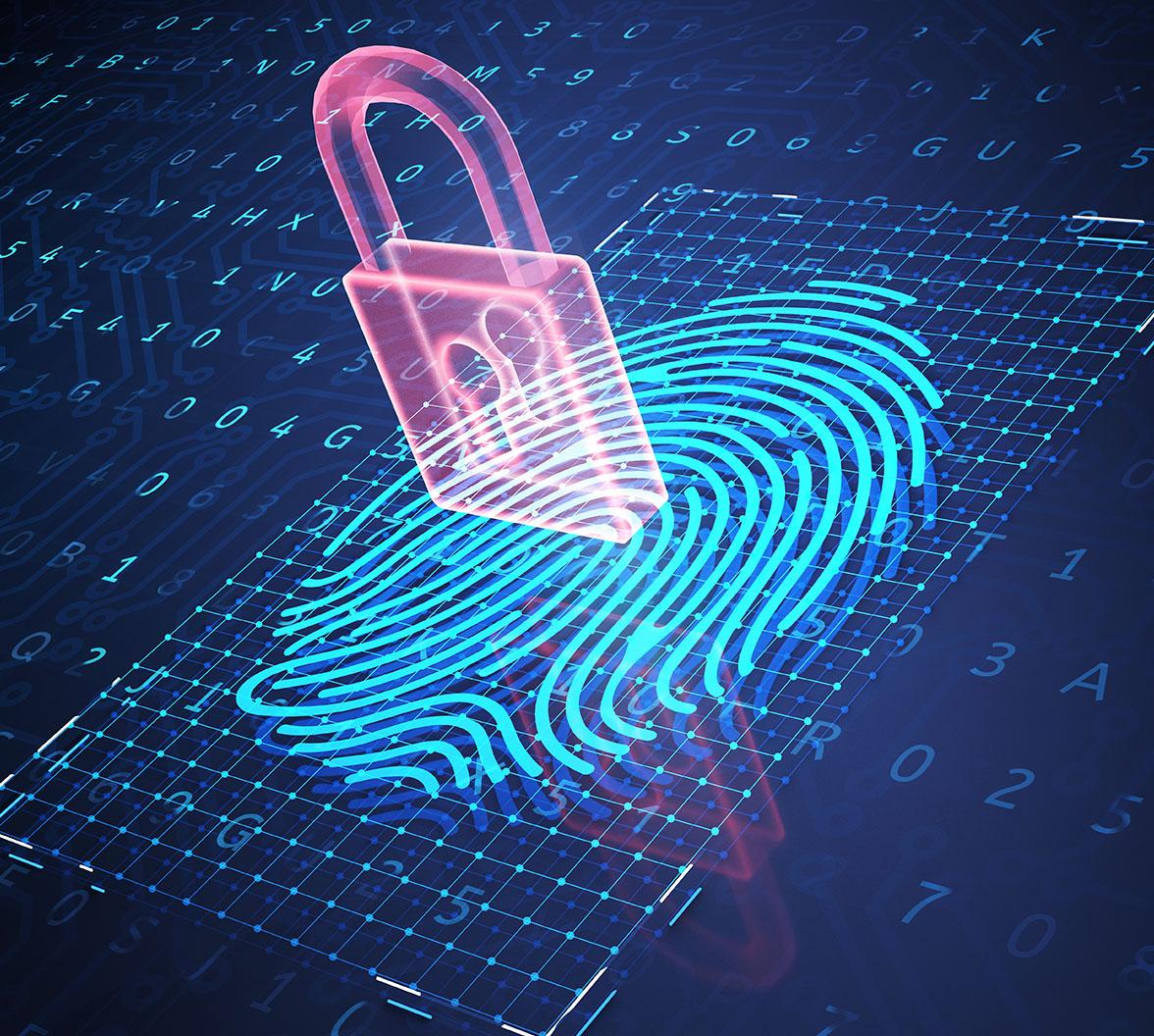
Biometric authentication is a revolutionary technology that promises enhanced security and user convenience in various applications. Unlike traditional methods, it relies on unique physical or behavioral traits for identity verification. However, its rapid adoption has raised concerns about privacy and ethics. This article explores the relationship between biometrics, privacy, and ethics, providing a balanced perspective on achieving security while safeguarding individual rights.
Benefits of Biometric Authentication:
Biometric authentication has many benefits, from enhanced security and fraud prevention to enhanced user experience and flexibility. First, it has better security compared to traditional methods such as passwords because it relies on certain physical or behavioral characteristics that are difficult to copy, thereby preventing unauthorized attempts. This strong authentication method also prevents fraud and theft by tying credentials to a person's unique characteristics, reducing the possibility of this information being stolen or misused. Second, it provides convenience to users by eliminating the need for biometric authentication, complex password management, or token handling. Users can use their biometric information to easily access the system or business, thus improving the overall user experience. This approach also ensures that there are no guarantees and liability because it increases its legal validity by creating important evidence of identity or cooperation. Third, the seamless integration of biometric authentication across multiple devices and platforms, from smartphones to physical access to body control systems, increases security without requiring major changes in user behaviour. Real-time authentication through behavioral biometrics such as typing patterns increases security by constantly monitoring users and preventing unauthorized access. In addition, biometric authentication shows the operation of external devices, maintaining time accuracy and preventing the effects of lighting, the environment, and aging. This flexibility facilitates reliable authentication in a variety of scenarios also, its uniqueness and ability to prevent theft or foresight offers a solution to the changing reality. In addition, biometric authentication can reduce insider threats by only allowing employees to access sensitive resources, thereby increasing the security of the organization. Overall it is a versatile tool that includes biometric authentication, better security, fraud prevention, improved user experience, and greater engagement. Its unique features and ability to form an inseparable bond with one's identity make it a role in the ongoing quest for secure digital and physical access.
Privacy and Ethical Concerns:
The irreversible nature of compromised biometric data, cybersecurity risks, and unintended surveillance are key concerns. Transparency, fairness, and purpose limitation are essential to avoid discrimination and misuse. Vulnerable groups and global cultural norms must also be considered. In an age dominated by digital advancement, biometric authentication has emerged as a solution for security and user convenience. The widespread use of this technology brings with it ethical and privacy issues that need careful attention. This article explains various issues related to biometric authentication and highlights the importance of promoting individual rights and societal values. One of the biggest concerns with biometric data is its unpredictable nature. Once personal information is compromised, it cannot be easily changed or reset, leaving individuals vulnerable to long-term privacy breaches and even identity theft. This risk is exacerbated by the threat of cybersecurity breaches. Centralized storage of biometric data is an attractive target for cybercriminals and can cause significant financial losses and damages to individuals and organizations. Transparency and accountability are fundamental principles in biometric data collection. Organizations collecting this data should make it a priority to communicate clearly about their data management practices. In addition, strong mechanisms should be in place to address data misuse, thereby ensuring accountability and preventing unauthorized access. The shadow created by biometric authentication concerns the potential for surveillance and surveillance. The use of biometrics opens the door for individuals to be spied on without their knowledge or consent. This raises important concerns about personal freedom and independence in an ongoing world. The bias in biometric systems brings with it another ethical problem. Fairness is important in developing and educating these processes because they need to be established in a way that avoids biases that could lead to discrimination. Maintaining the integrity of biometrics is ethically and socially supportive. Purpose The purpose limitation policy states that biometric data should only be collected for specific and legitimate purposes for which the user consents. This prevents "property slippage" where data is used for unintended purposes. By respecting this law, trust between people and technology is maintained. Children and vulnerable groups need special attention in the field of biometrics. While it is important to protect children from the parental consent mechanism, the use of sensitive persons for biometric data should be strictly prohibited. The global use of biometric systems requires leadership. Social norms and values should be carefully considered to avoid conflicts of interest.
Achieving Balance:
Ensure transparent, accessible data practices through informed consent. Collect minimal biometric data for specific purposes, prioritizing privacy. Utilize encryption and anonymization for secure storage. Conduct frequent security audits to identify vulnerabilities and ensure compliance. Design user-friendly interfaces for data control. Collaborate with stakeholders, including developers, ethicists, and policymakers, for balanced solutions.
Case Studies:
Aadhaar Biometric Authentication in India: India's Aadhaar system exemplifies biometric use for government services, highlighting the importance of proper data management and protection.
Apple's Touch ID and Face ID: Apple's biometric technologies offer convenience, security, and user control, emphasizing the need for robust privacy measures.
Conclusion:
Biometric authentication is a groundbreaking technology with the potential to reshape security and user experiences. This potential, however, comes with ethical and privacy considerations. Striking a balance requires clear guidelines, responsible data management, and collaboration among stakeholders. Companies and organizations must prioritize consent and implement robust security practices to ensure a future where biometric authentication respects both security and individual rights.