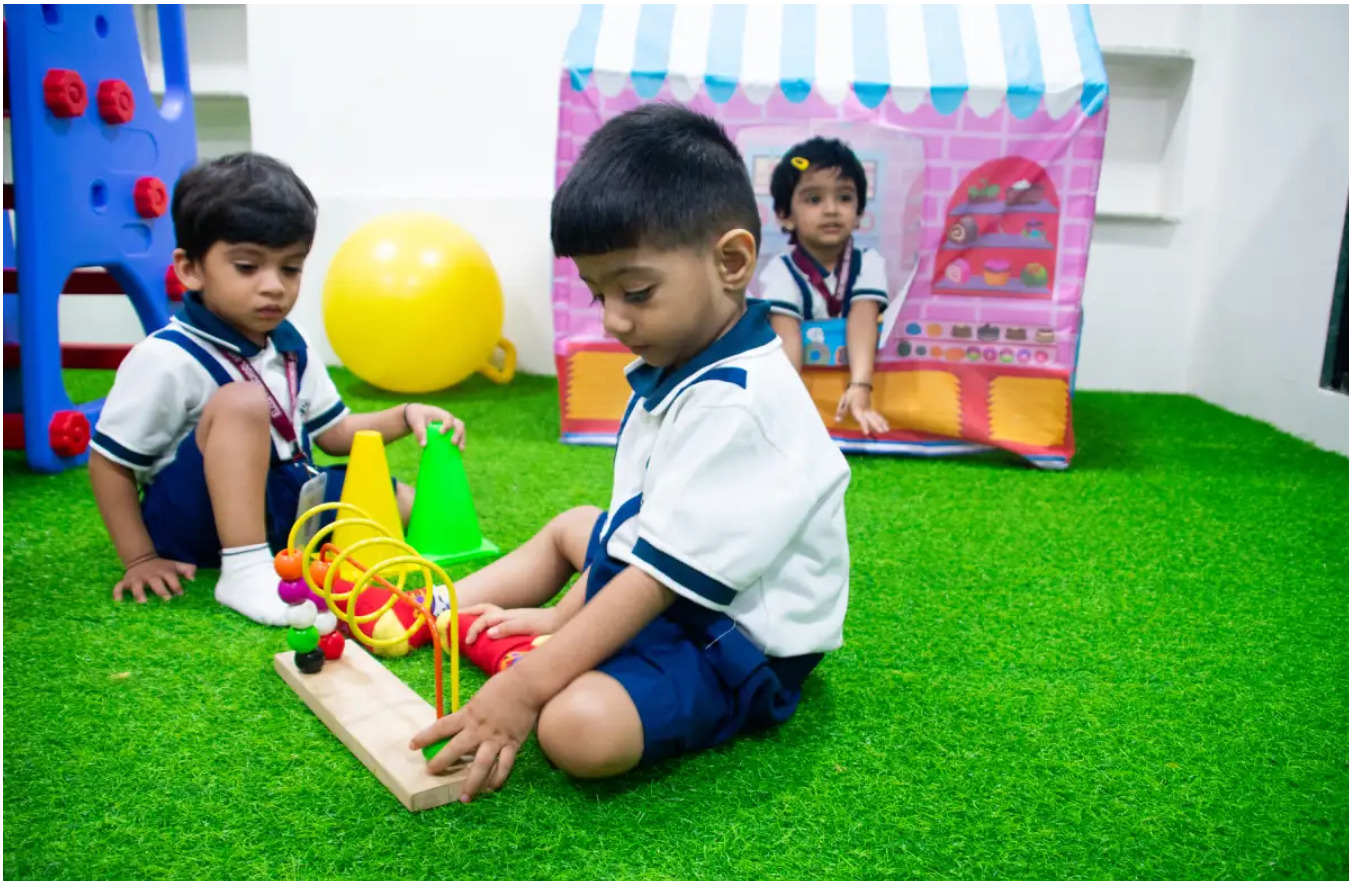
To most parents, playtime will appear to be nothing more than children enjoying themselves through toys, running about, or talking with their peers. To the contrary, in preschools and daycare centres, free play is not mere entertainment; rather, it is one of the essential methods by which young children learn and develop.
When they engage in free play, children can explore their interests, think independently, socialize with others, and learn important life skills. Contemporary early childhood pedagogy emphasizes that children learn better if they are feeling interested, engaged, and comfortable.
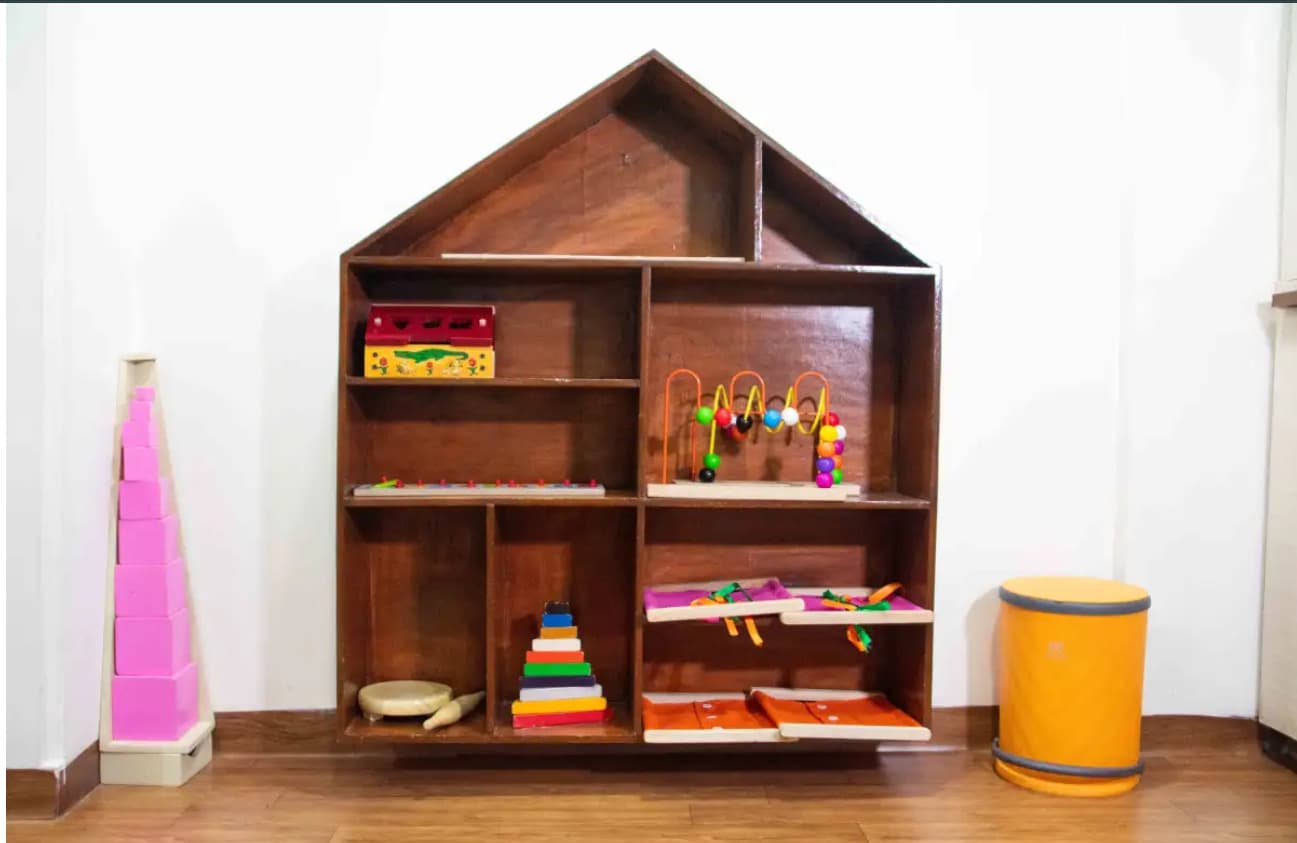
Free play is a form of play where the children decide on the actions themselves without any stringent directions. Free play gives room for self-expression, unlike the teacher-directed lessons that involve direct instruction from the teachers.
Some forms of free play are:
Building Social Skills Naturally
One of the best advantages of playing freely is the social development of the child. Through playing with each other, kids get an opportunity to learn about communication, cooperation, and interaction with others.
In the course of playing, the kid gets a chance to develop various skills, including:
Improving Communication and Language Skills
Unstructured play gives kids the freedom to express their opinions and views freely. Regardless of whether they are mimicking teachers, doctors, cooks, or superheroes, children often engage with language during unstructured play.
This can help them:
Developing Problem-Solving Skills
Small challenges arise while playing for children, such as failing to construct a tower or learning how to share their toys. Such experiences help children think, adapt, and find solutions on their own.
During free play, children get an opportunity to learn:
Such skills are vital not only for education but also in life.
Physical Development Through Active Play
Free outdoor games and physical activities are very important for physical development. Activities like running, jumping, climbing and balancing develop coordination in children.
Physical activities include:
Besides that, physical activity helps children get rid of their excess energy.
In today’s early childhood learning centres, teachers watch children engage in their own activities freely. Although they may not control everything that goes on, they offer assistance, support, and encouragement when necessary.
These interactions help teachers:
In the rapidly changing modern world filled with technologies, free play provides the opportunity for practical experience and creative imagination for children. The practice teaches them to slow down, think, explore, imagine, and relate.
Free play is not merely a pastime for children; it is an integral aspect of their development and learning process. With the help of unstructured practices and playful activities, children get the chance to develop their self-confidence, communication skills, creativity, independence, and social intelligence. In order for children to gain all of these qualities, it is necessary to have an atmosphere of encouragement and care, such as at Elzee preschool and daycare. For parents who want to find out more about preschool learning and its importance for their children’s development, the information on Developing Independence Skills in Young Learners will prove very helpful.