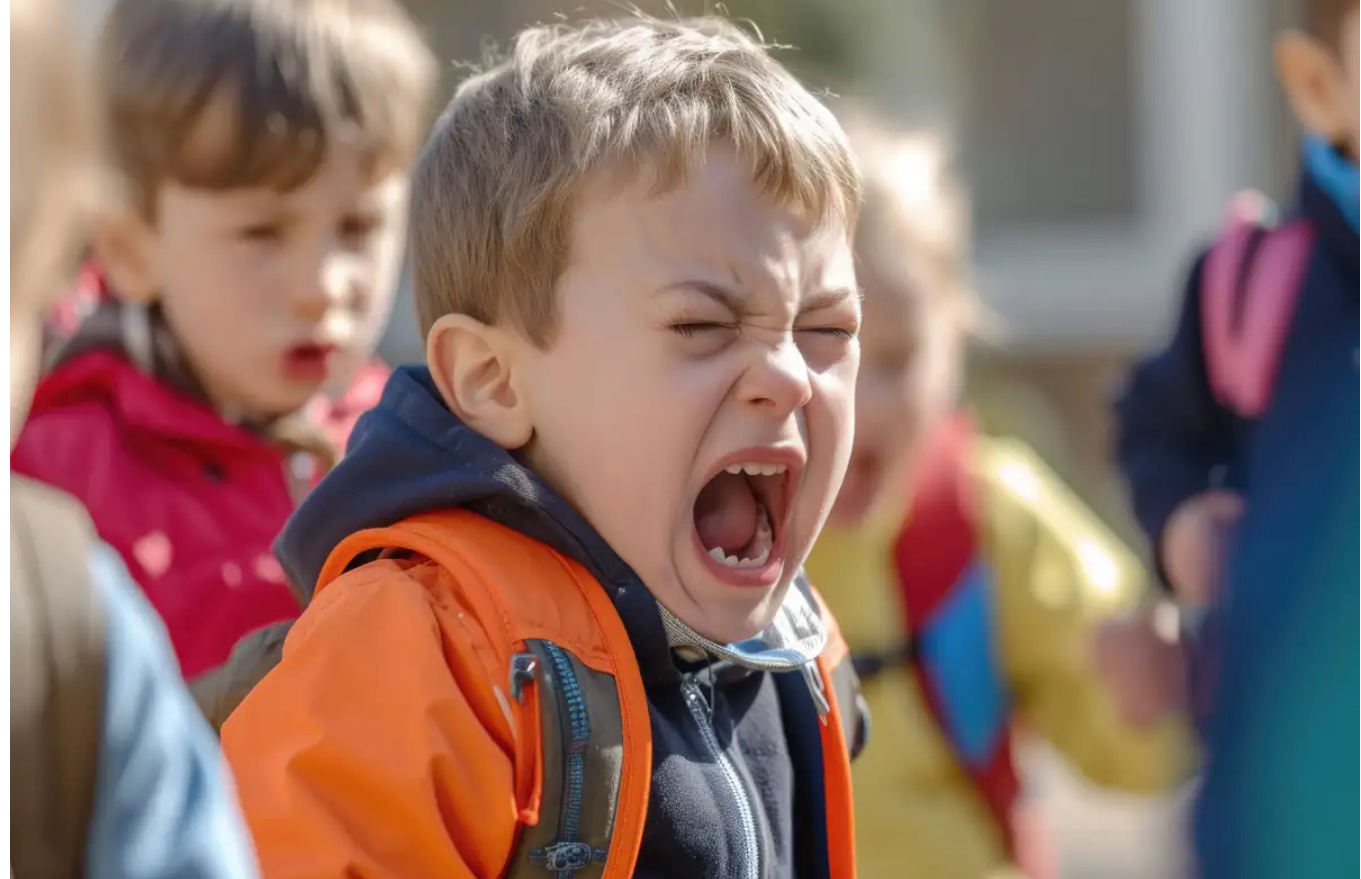
Tantrums among toddlers are some of the most common problems that parents and pre-school educators encounter. Screaming, crying, or becoming rebellious may be quite frustrating when it happens repeatedly. But tantrums should not be considered as nothing but a form of undesirable behaviour on the part of the child. There are instances wherein these acts are an expression of the child’s own feelings.
Because toddlers are still learning how to communicate effectively, regulate their emotions, and interact socially, it is easy for them to become frustrated, tired, hungry, overwhelmed, or unable to express their emotions properly. Parents and guardians need to know the truth about why toddlers throw tantrums.
Tantrums happen in toddlers because they experience intense emotions but lack the language skills to express their emotions. Tantrums will likely happen when toddlers try to express something they cannot put into words, such as frustration, anger, fear, or a need. These behaviours arise when toddlers have trouble putting their emotions into words, want more independence, are hungry or sleepy, become too excited, or have problems with situations. Even though tantrums may be difficult for parents to handle, they are normal for young kids and will slowly fade as toddlers grow older.
Tantrums Are Part of Emotional Development
The emotional regulation abilities of children during their early childhood years are still being developed, which explains why toddlers have a tendency to react immediately to their emotions. This period is the stage where they are taught patience, self-regulation, proper communication, and how to deal with certain situations and challenges. Although it may be difficult for adults to handle the temperamental behaviour of toddlers, this is also a good chance for them to learn about emotional expression, control, communication, and other necessary coping mechanisms.
The creation of a positive atmosphere in preschools and daycares serves as an essential factor in enabling children to handle their emotions effectively. Preschool teachers realise that it is only natural for children to act on their emotional outbursts; hence, they react to such situations patiently without punishing the kids but providing them with constant encouragement and reassurance. Children start feeling secure and safe in their surroundings through the creation of stable environments, where there are constant opportunities for communication, learning patience and sharing, and emotional guidance from teachers.
The Importance of Staying Calm
The best technique that adults can use when dealing with toddlers who are having tantrums is to keep calm. The toddlers need to feel the emotional security of the adults, especially in trying times. This helps calm down the child, allowing emotional reactions to cool off. Children eventually learn about how they should react emotionally. In addition, this makes the bond and trust between children and caregivers stronger and increases emotional stability in children. If adults react harshly or yell, they will only increase fear, frustrations, and emotions in children.
Tantrums tend to occur most frequently during the ages 1-4 since young children start learning about independence and managing emotions at this age. This is an important phase in the life of a child, where he/she learns to communicate better, understand emotions, follow certain routines, learn about social and emotional security, among other things. Tantrums will automatically decrease as these skills improve. Parents and educators must remain patient during this important phase in the life of the child.
Turning Toddler Tantrums into Learning Moments
Toddlers’ tantrums are not just instances of bad behaviour. Rather, these outbursts are integral parts of the children’s developmental process. While these displays of emotion may be difficult for both parents and children, they could also represent the efforts of the child in communicating emotions that he or she does not quite grasp. Through consistent encouragement, structure, and proper training, the child eventually learns to communicate effectively and assertively. The preschool environment plays a vital part in enabling children to develop emotional intelligence and communication skills.
Parents can explore more about supportive early childhood learning approaches at Elzee Preschool and Daycare and understand how daily preschool experiences help shape children’s emotional and social development through the day at Elzee’s daily routine kids. With the right balance of care, understanding, and encouragement, tantrums become meaningful learning moments that help children grow into emotionally confident individuals.