File Management
- File management in a computer system talks about the different ways and things used to look after files and folders on a machine. Computer systems usually have many file care tools, like disk helpers, file organizers an search tools.
- Some usual file handling jobs are making, shifting, removing, and copying files. Operating systems also often have tools to handle desktop icons open files with certain apps and backup files.
- File handling in a computer system can be easy or hard based on the tools you have. Some usual file handling traits seen in most new computer systems are shown below.
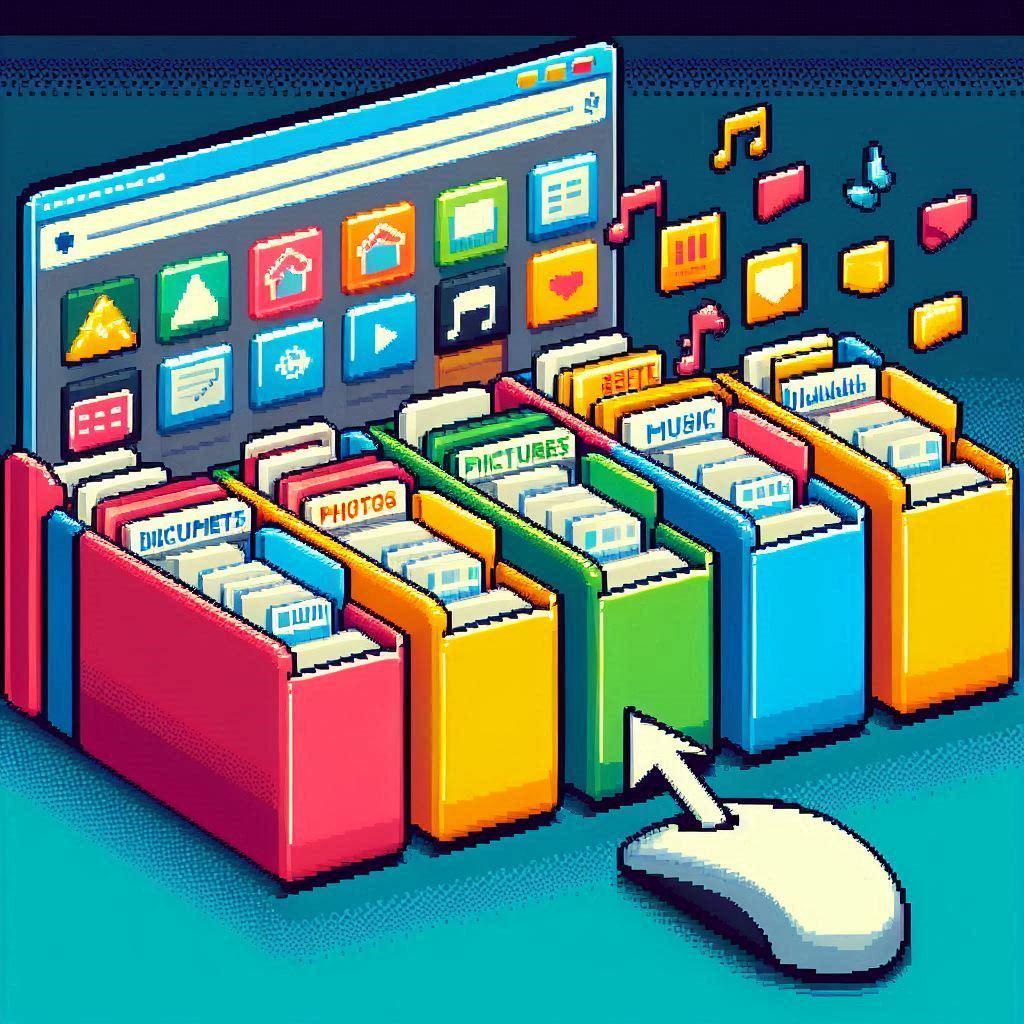
- Many new operating systems have a set-in ͏user face for handling files and folders. This face is often called the file holder or desktop looker. The file holder lets users work with files and folders by looking at them without management or by picking things from the filesystem tree view.
File Management Tools in Operating System
File management tools in an operating system can be used to manipulate files and folders, access information about files and folders, create and delete files, share files, and more. Operating systems usually come with a default set of file management tools, but users may also want to install additional file management utilities.
Some common file management tools in operating systems include:
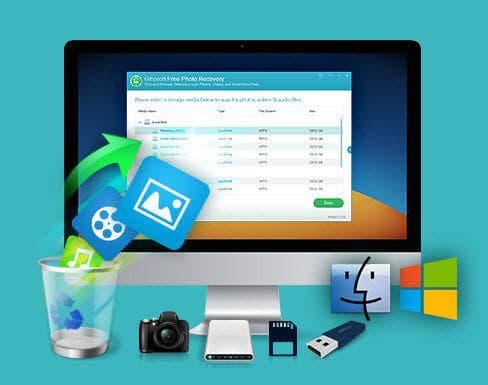
- Windows: The Windows File Explorer is the default file explorer in Windows 10 and 8.1. It lets users browse files and folders on their computer, as well as access the contents of external drives connected to their computer. Windows File Explorer can be specialized for different tasks, such as viewing or editing particular types of files.
- Mac: The macOS Finder is the default file explorer in Macs. It lets users browse files and folders on their computer, as well as access the contents of external drives connected to their computer. The Finder can be specialized for different tasks, such as viewing or editing particular types of files.
Conclusion
Operating systems were designed to manage files. Files can be anything from pictures to programs to data. In order for an operating system to manage these files, it needs some way of identifying them and organizing them. This is where the file management system comes in. A file management system allows you to access and work with your files by organizing them into folders, subfolders, and so on.