Service Design Process in ITSM
Introduction
Service Design is a critical phase within the IT Service Management (ITSM) lifecycle, as defined by ITIL (Information Technology Infrastructure Library). It aims to create and design IT services aligned with business objectives, ensuring efficiency, effectiveness, and scalability. The Service Design process encompasses the planning and organization of people, processes, and technologies to deliver value-driven IT services. This essay explores the key aspects, activities, and significance of the Service Design process in ITSM.
Key Aspects of Service Design
Service Design focuses on delivering high-quality IT services that meet customer requirements. The key aspects include:
- Service Solutions
- Designing services that meet business needs, considering performance, availability, and capacity. These solutions should ensure seamless integration with existing systems.
- Management Systems and Tools
- Tools and frameworks to monitor, support, and deliver services are essential. For example, Configuration Management Databases (CMDB) play a vital role in managing IT assets.
- Technology and Architecture
- Ensuring that IT infrastructure supports the designed services by following best practices for technology and architectural planning.
- Processes
- Effective processes are designed for service operations, such as incident management, problem management, and request fulfillment.
- Measurements and Metrics
- Defining Key Performance Indicators (KPIs) and metrics to evaluate the performance of services and processes.
Core Processes in Service Design
The Service Design phase includes several interconnected processes, which ensure comprehensive planning and integration of services.
- Service Catalogue Management (SCM)
- The SCM process ensures a single source of truth about IT services, making the service catalogue accessible and up-to-date. This helps stakeholders understand service offerings and their interdependencies.
- Service Level Management (SLM)
- SLM defines and manages Service Level Agreements (SLAs), ensuring clear communication between service providers and customers about expectations.
- Capacity Management
- This process ensures that IT services are adequately scaled to meet current and future demands without compromising performance.
- Availability Management
- Availability Management ensures that services are accessible and available as required, meeting business continuity and disaster recovery objectives.
- IT Service Continuity Management (ITSCM)
- ITSCM plans for service recovery in case of disruptions, ensuring minimal downtime and continuity of critical services.
- Information Security Management
- This ensures that services adhere to security policies, protecting data and IT infrastructure from threats and vulnerabilities.
- Supplier Management
- Managing third-party vendors and suppliers to ensure seamless service delivery and adherence to agreed terms.
Steps in the Service Design Process
- Understanding Requirements
- Gather business requirements through consultations with stakeholders to design services aligned with organizational goals.
- Service Blueprinting
- Develop detailed blueprints describing the service architecture, components, and integration points.
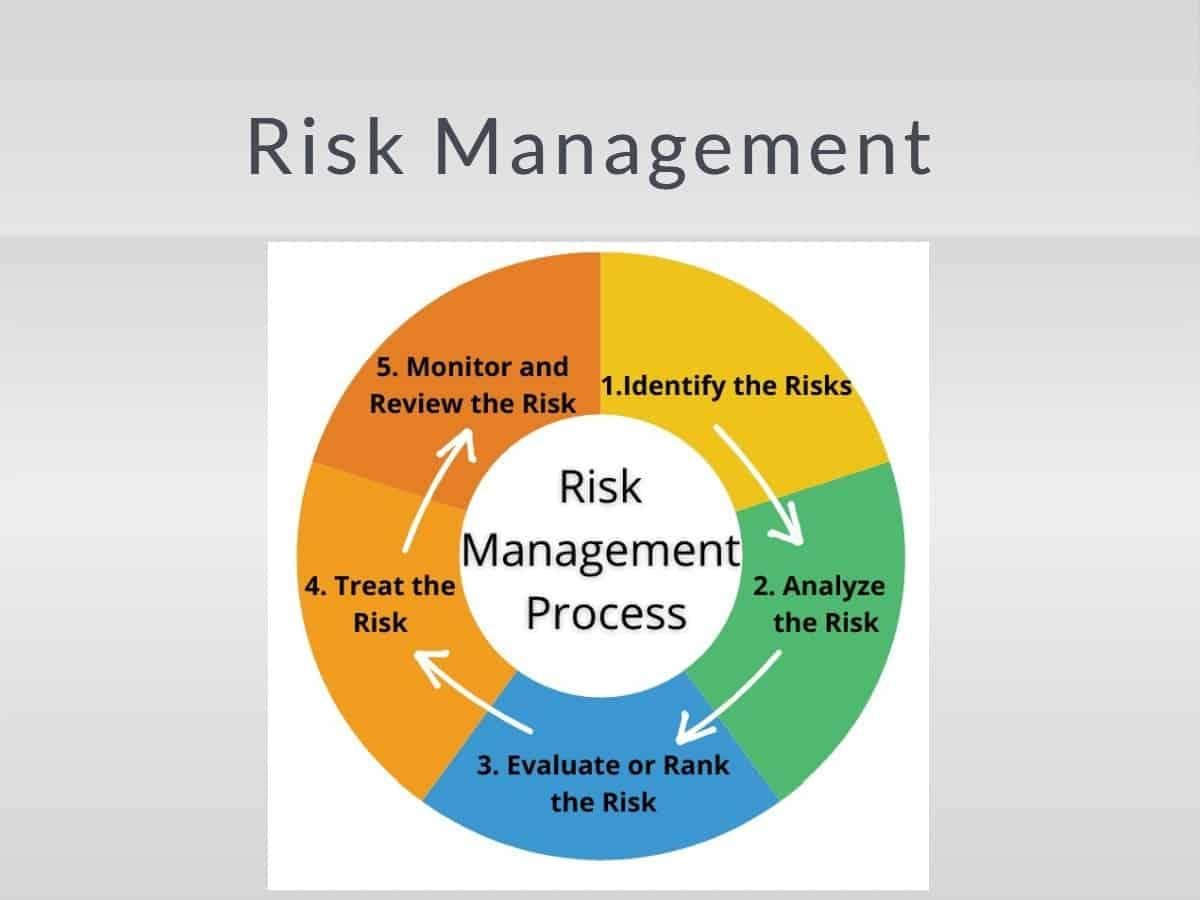
- Risk Assessment and Mitigation
- Identify potential risks associated with new or modified services and create mitigation strategies.
- Cost Analysis
- Perform a cost-benefit analysis to determine the financial feasibility of the proposed services.
- Design Coordination
- Ensure all design activities are coordinated effectively, with roles and responsibilities clearly defined.
Importance of Service Design in ITSM
Service Design lays the groundwork for successful service delivery and management. Its importance lies in:
- Aligning IT with Business Goals
- It ensures that IT services directly support business objectives, driving efficiency and value.
- Cost-Effectiveness
- Thoughtful design reduces the risk of service failures and the cost of future changes.
- Improved User Experience
- Services designed with a focus on user needs enhance satisfaction and engagement.
- Scalability and Flexibility
- Well-designed services can scale with business growth and adapt to changes in the technological landscape.
Challenges in Service Design
Despite its benefits, Service Design faces challenges like inadequate stakeholder engagement, evolving technology, and misalignment of IT capabilities with business goals. Addressing these challenges requires proactive communication, robust planning, and continuous improvement.
Conclusion
The Service Design process in ITSM is foundational for delivering high-quality, reliable IT services that align with business needs. By focusing on a structured approach encompassing aspects like service solutions, tools, processes, and metrics, organizations can ensure efficient and effective service delivery. Emphasizing collaboration, risk management, and user-centric design further enhances the value IT services bring to businesses, making Service Design an indispensable phase in the ITSM lifecycle.