However, in such an environment, maintaining a good nutritional intake for some people working in office environments becomes quite difficult. The reason being that when you have to work for long hours under tough conditions, there might be no time for taking nutritious food, and one may end up resorting to snacks or unhealthy food, but this is not always necessary, since it is possible to stay healthy even when one eats healthy at work.
What you eat plays an important role in influencing your concentration, attitude, productivity, and energy levels during the working day. Poor dietary habits may cause you to feel fatigued, unable to concentrate, crave food, and experience indigestion, thus lowering your activity levels and productivity. However, when you follow proper diet practices, you will be able to regulate your energy, improve your focus and productivity, maintain good metabolism, reduce bad cravings, and improve your overall health and immunity.
As breakfast is the very first source of energy for the body after an extended period of fasting at night, this meal becomes very crucial for us during the day. In case we skip breakfast, we may experience fatigue, irritation, lack of concentration, and excessive eating. The healthy breakfast meal should consist of proteins, including eggs, sprouts, or curd; healthy carbohydrates, like poha, oats, and whole wheat toast; and fruits or nuts.
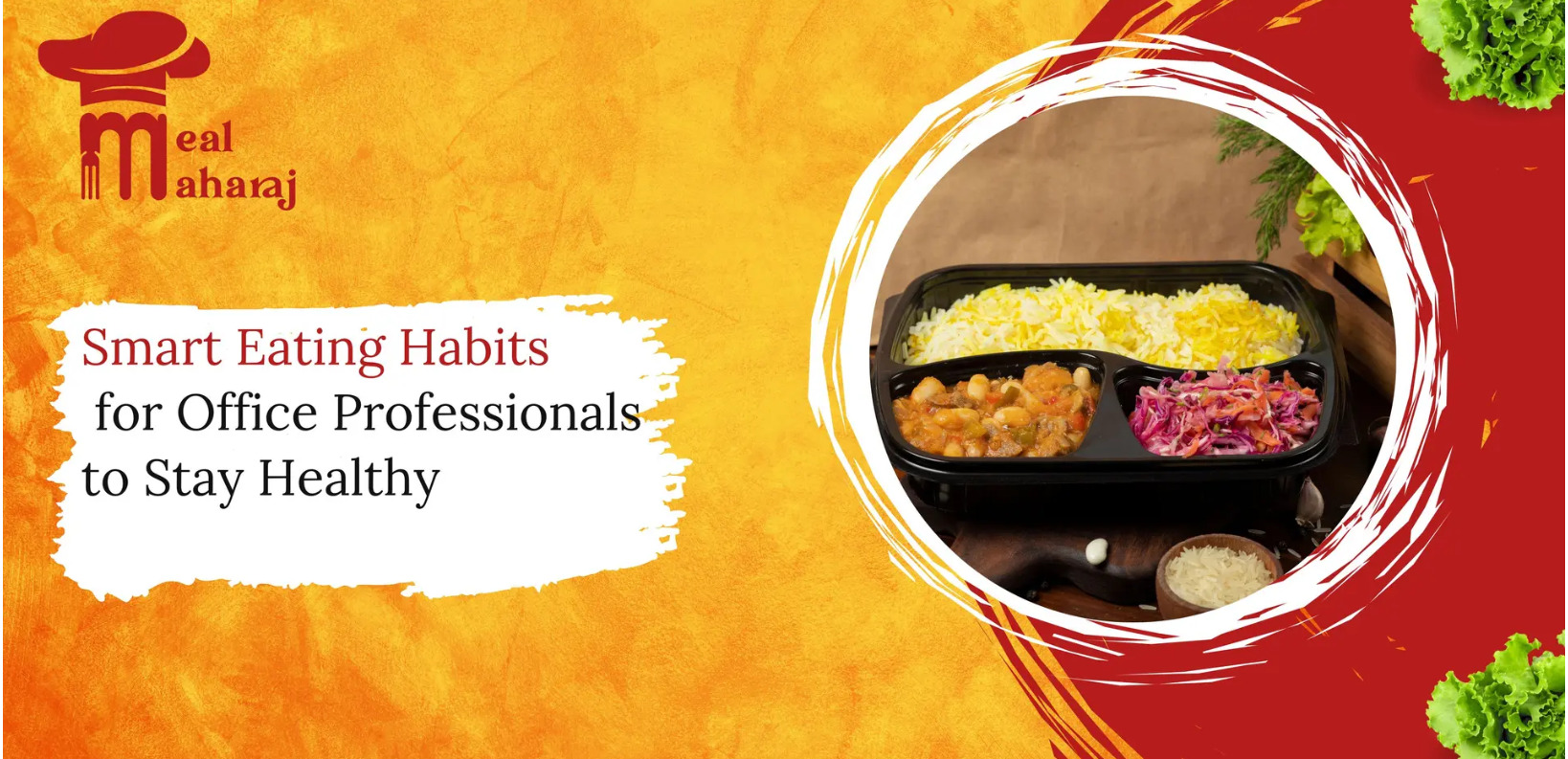
Working professionals prefer to have their food in restaurants or consume ready-to-eat food because of the time factor, but homemade food is much better in terms of health, lightness, and nutrition. A simple meal consisting of roti/rice, dal/paneer, fresh vegetables, and salad/curd will meet all the nutritional requirements for the day. Balanced foods keep our energy level consistent throughout the day, and there is no lethargic feeling at any point in time.
Spacing out mealtimes too much results in reduced energy levels and may cause one to crave unhealthy foods and eat more towards the latter part of the day. This happens when the body is hungry for a prolonged period, forcing a person to opt for fast food that may provide immediate energy. To avoid this, one should stick to a constant schedule of mealtimes and healthy snacks in between, and maintain adequate fluid intake during the day.
Water intake is often neglected by many professionals during their hectic schedules, which may cause dehydration, headache, exhaustion, and lack of concentration. Staying hydrated is important for maintaining the required energy level and concentration for optimum performance. Having a bottle of water on the table, drinking water frequently, and sometimes having water-rich beverages such as buttermilk, coconut water, or lemon water would help in maintaining optimum hydration.
How does Meal Maharaj solve this problem?
Workplace nutrition is not about complex diet plans; rather, it revolves around creating simple but effective habits that help keep you energetic and productive throughout your working day. Small decisions such as having your meals regularly, drinking plenty of water, and picking healthy home-style meals can go a long way toward improving your efficiency and performance at work. This is something that has been pointed out in the article “Workday Nutrition: Eating Well Without Cooking.”