Healthy ageing is not simply about ageing, but rather about maintaining strength, vitality, independence, and good quality of life over the years. The main aspect that may be beneficial for healthy ageing is balanced nutrition. With ageing, our bodies undergo certain changes and so do our nutritional needs; hence, choosing the right foods is crucial to get the necessary nutrition from food without consuming many processed products.
Foods including plenty of vegetables, fruits, whole grain products, protein sources, healthy fats, and enough liquids can help our bodies function effectively and maintain balance. Proper nutrition along with regular exercise and a healthy lifestyle can ensure the well-being of people at any age.
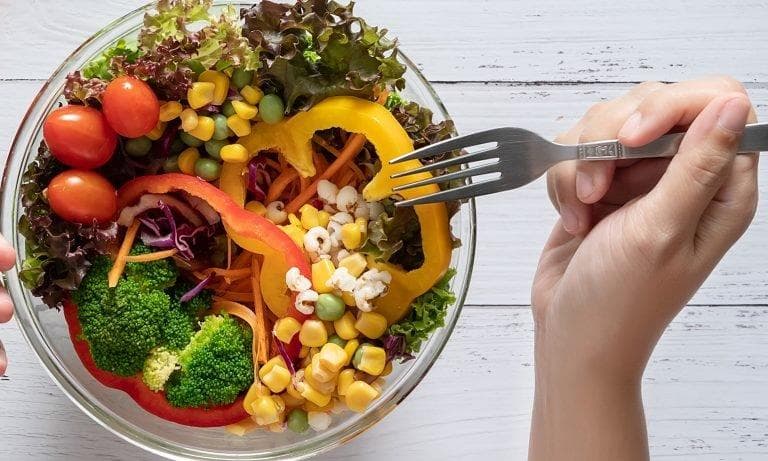
A healthy diet involves consuming a wide range of foods in a proper amount that enables the body to get all the essential nutrients required by it. Such nutrients include carbohydrates, proteins, good fats, vitamins, minerals, fibre, and water.
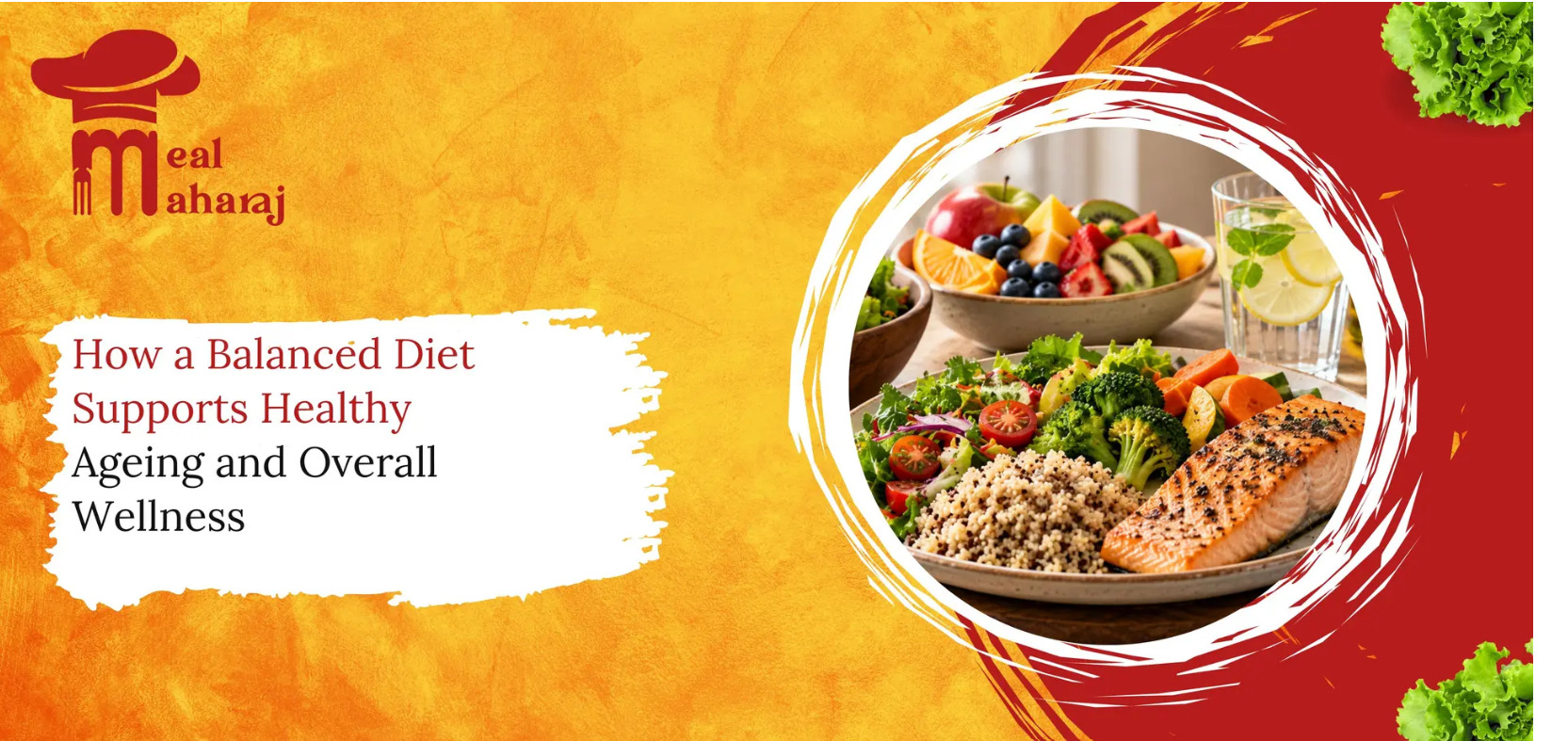
An example of a well-balanced meal is the one that includes:
It does not mean having a specific diet but developing healthy eating habits.
With age, there could be modifications in appetite, digestion, exercise habits, and even body type, which would influence one’s nutritional requirements. For instance, some individuals may consume less food as a result of having a reduced appetite, whereas others may become more dependent on convenient meals.
Nutrient-dense food is especially vital as it can offer the necessary amount of vitamins, minerals, proteins, and other nutrients without needing a lot of food.
A balanced diet can assist in:
Fibre is an additional component of a well-balanced diet. Foods containing fibre include vegetables, fruits, whole grains, pulses, nuts, and seeds.
The inclusion of adequate fibre may help with:
Some traditional Indian food items like dal, vegetables, whole wheat chapati, fruits, and pulses will make the task easier.
Bone density is one of the factors that contribute to healthy aging. Calcium and vitamin D are some of the nutrients that play a significant role in keeping your bones healthy, and protein is another nutrient that helps keep body tissues healthy.
Some of the foods that can be taken include:
Every individual has different nutritional requirements depending on his/her health problems.
Fats are important in any healthy diet, although it depends on the type and amount of fats consumed. Healthy fats can be derived from nuts, seeds, and good-quality cooking oil.
A healthy meal plan requires the use of cooking fat in a balanced way rather than total abstention from fats.
The following are the foods to be included in regular meals:
It might be convenient to eat the same food all the time; however, a varied diet will ensure that you consume a greater number of nutrients.
Consider:
The importance of eating different kinds of food for complete nutrition is elaborated on in the article “Why Eating a Variety of Foods Is Important for Complete Nutrition.”
It should be noted that proper nutrition can be an important factor contributing to healthy ageing and overall well-being. Consumption of diverse and nutrient-rich foods enables the body to obtain proteins, fibres, vitamins, minerals, healthy fats, and other important substances. Simple Indian dishes using products such as dal, whole grains, seasonal vegetables and fruits, curd, nuts, and others may prove beneficial for healthy nutrition.
The importance of eating different kinds of foods and their impact on obtaining complete nutrition is examined in the article Why Eating a Variety of Foods Is Important for Complete Nutrition. Likewise, The Role of Fibre in Everyday Nutrition and Digestive Health highlights the positive effect of foods containing fibre on digestion and nutritious eating.
For fresh and healthy home-cooked dishes that can become an integral part of a healthy lifestyle, you may visit Meal Maharaj. Making healthy eating a daily routine alongside being physically active and living a healthy lifestyle is necessary for ensuring well-being.