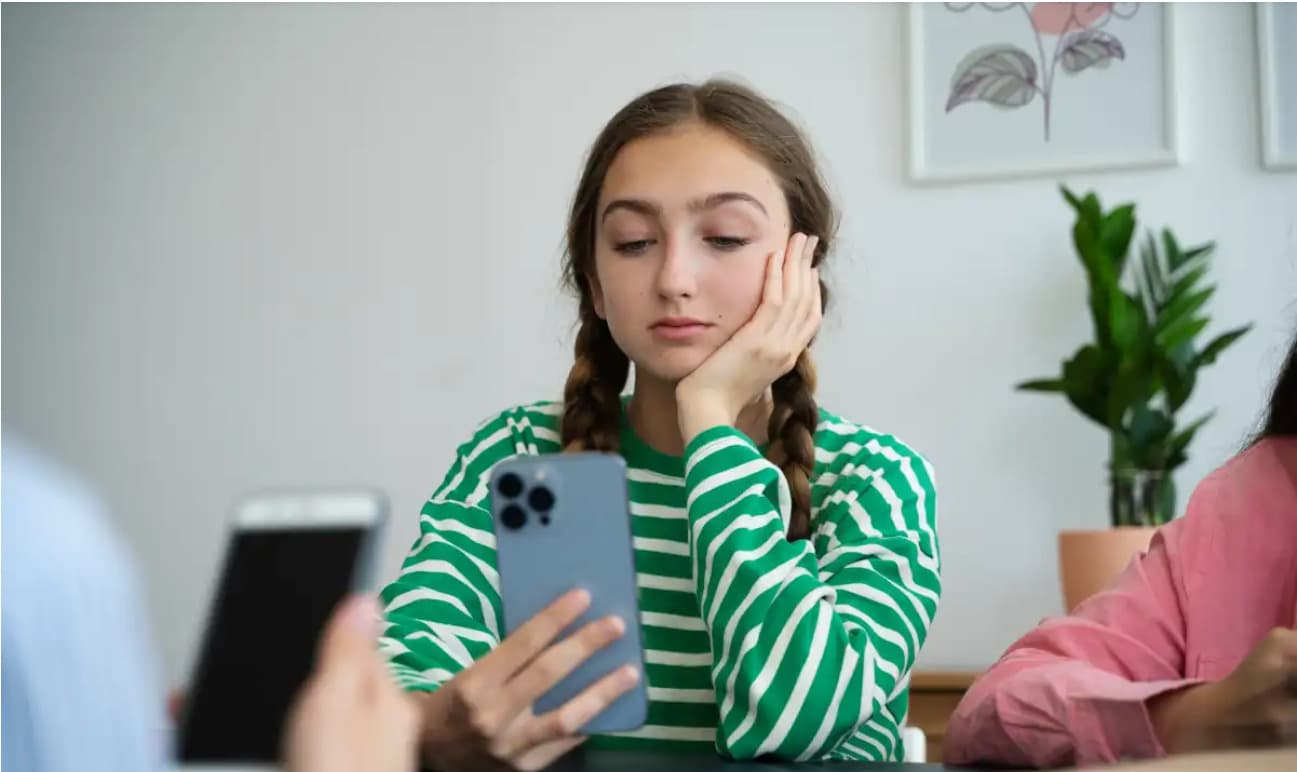
In today’s increasingly connected world, loneliness and emotional disconnection have emerged as significant mental health concerns affecting people across all age groups, cultures, and communities. Despite remarkable advances in technology, social media and digital communication many individuals continue to experience feelings of isolation, emotional emptiness, and a lack of meaningful connection with others.
Loneliness is often misunderstood as simply being alone. In reality it is a deeply personal and subjective emotional experience that occurs when there is a gap between the relationships and individual desires and the relationships they actually experience. A person can be surrounded by family, friends, colleagues or online communities and still feel profoundly lonely. Conversely, someone may enjoy time alone and yet feel emotionally fulfilled and connected.
Human beings are naturally wired for connection. Meaningful relationships contribute significantly to emotional well being, resilience, and overall life satisfaction. Psychological research consistently demonstrates that social connection is not merely a social preference but a fundamental human need that supports both physical and mental health. When individuals feel disconnected, unsupported, or misunderstood, their emotional well-being can be significantly affected.
Understanding loneliness And emotional Disconnection
From a psychological perspective, loneliness is not determined by the number of social contacts a person has but by the perceived quality of those relationships. Emotional disconnection occurs when individuals feel unseen, unheard or unable to express their authentic thoughts and emotions.
People experiencing emotional disconnection often report feeling:
While occasional loneliness is a normal part of life, persistent emotional isolation can gradually affect psychological well being and daily functioning..
Why do people experience loneliness?
Loneliness rarely develops from a single cause. Instead, it often results from a combination of personal, social, emotional, and environmental factors.
Major life changes such as marriage, relocation, retirement, divorce, becoming a parent, starting a new job, or losing a loved one can disrupt familiar support systems and leave individuals feeling emotionally disconnected. Major life events may create uncertainty about one’s role and purpose of how people see themselves. They feel that they no longer fit into their previous social groups while not yet feeling accepted in new ones.
Technology has made communication easier than ever before. However, excessive dependence on digital interactions may sometimes reduce opportunities for deeper face-to-face relationships. Constant exposure to carefully curated online lives can also encourage unhealthy social comparisons, increasing feelings of inadequacy and loneliness.
Living alone, chronic illness, mobility limitations, demanding work schedules, or limited opportunities for social interaction can reduce meaningful human contact and contribute to emotional isolation.
Some individuals struggle to trust others or fear rejection, criticism, or vulnerability. As a result, they may suppress their emotions and withdraw from close relationships, making it difficult to build meaningful connections. In some cases people may turn to alcohol, drugs, overeating, excessive gaming, or excessive social media use as a way of coping with emotional pain.
Conditions such as anxiety, depression, low self-esteem, trauma, social anxiety and low self-esteem can interfere with an individual’s ability to develop and maintain healthy relationships.
Experiences of discrimination, financial hardship, cultural disconnection, language barriers, disability, or social marginalisation can reduce a person’s sense of belonging and increase feelings of loneliness. They compare their progress or circumstances with others, leading to feelings of inadequacy and isolation.
Conclusion
Its important to understand that loneliness is a deeply personal emotional experience rather than simply the absence of people. Understanding its causes is the first step toward recognising that loneliness is not a personal weakness but a common human experience. By identifying the factors contributing to emotional disconnection, individuals can begin taking meaningful steps toward healthier relationships and improved emotional well-being.
At Imperfect Psychotherapy Services, we understand that behind loneliness often lies a need to feel heard, valued, and emotionally connected. Through compassionate psychological support, individuals can gain greater self-awareness, improve interpersonal relationships, and begin rebuilding meaningful emotional connections. In our next article, we will explore how different stages of life experience loneliness, the impact of loneliness and some ways to tackle loneliness.