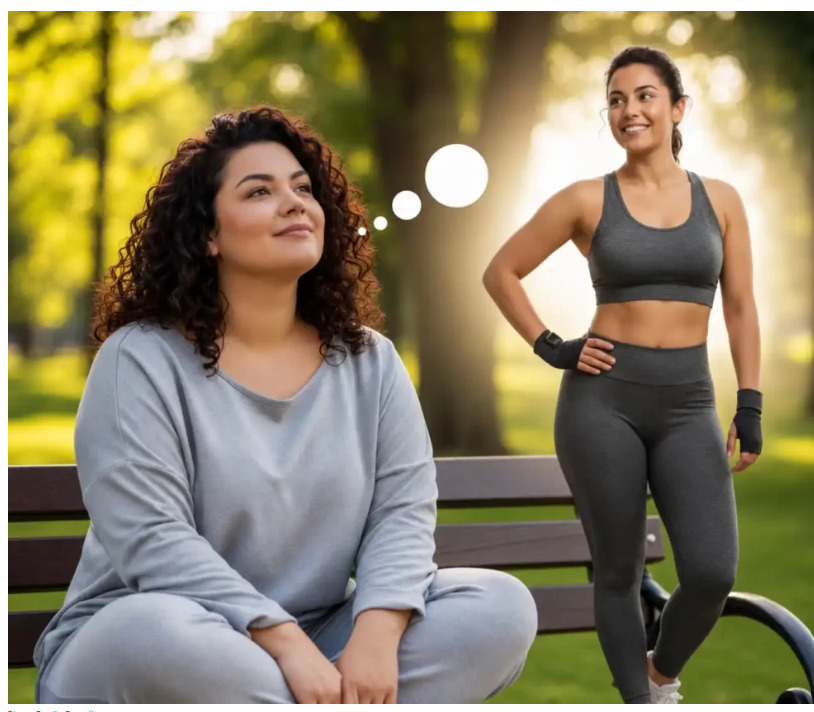
Body image and self-esteem are deeply interconnected aspects of psychological well-being. Body image refers to the thoughts, feelings, perceptions and attitudes individuals hold about their physical appearance, while self-esteem reflects their overall sense of self worth and personal value. Together, these factors influence how people view themselves, interact with others, and navigate everyday life.
Our perception of ourselves begins developing in early childhood and continues to evolve throughout adulthood. Family relationships, social experiences, cultural influences, media exposure, and personal life events all contribute to shaping how we feel about our appearance and our worth as individuals. While a positive body image can foster confidence, self acceptance and emotional resilience a negative body image can significantly impact mental health and lead to low self esteem, self doubt and emotional distress.
In today’s image-conscious society many individuals experience pressure to meet unrealistic standards of beauty and appearance. Although occasional dissatisfaction with certain physical features is a part of life, persistent negative thoughts about one’s body can affect emotional well being, relationships, and overall quality of life.
The Psychological Connection Between Body Image and Self Esteem
From a psychological perspective, body image is not determined by how a person actually looks but by how they perceive and evaluate their appearance. Two individuals with similar physical characteristics may experience vastly different levels of confidence depending on their beliefs, experiences and self- perceptions.
When individuals constantly focus on perceived flaws or compare themselves to others, they may begin to associate their self worth with their appearance. Over time this can create a negative cycle where feelings of inadequacy contribute to low self-esteem, which in turn reinforces negative body image.
Factors that Influence Body Image
Media and social media
The media plays a powerful role in shaping perceptions of beauty and success. Television, films, advertisements, and social media platforms frequently portray idealised and often unrealistic standards of appearance. Many images are edited, filtered, or carefully curated, creating expectations that are difficult or impossible to achieve.
Constant exposure to these standards can encourage unhealthy comparison and foster dissatisfaction with one sex appearance. Social media validation through likes, comments, and followers may also influence self worth, making individuals feel valued primarily for how they look rather than who they are.
Family Influence
Parents and family members play a crucial role in the development of body image and self-esteem. Supportive environments that provide acceptance, encouragement, and emotional validation help children develop confidence and self-worth.
Conversely, criticism about appearance, unrealistic expectations, frequent comparison, or negative comments about weight and physical features can contribute to feelings of inadequacy and self doubt. Children often internalise these messages and carry them into adulthood.
Peer Relationships
Friends and peers significantly influence how individuals perceive themselves. Positive friendships can promote confidence and acceptance while teasing, bullying, exclusion, or criticism can negatively affect body image and self esteem.
During adolescence and young adulthood individuals may feel intense pressure to fit in society. Comparing appearance, popularity, achievements or abilities with peers can contribute to insecurity and feelings of not being “good enough”.
The Pressure of the Ideal Body
Modern society often promotes a narrow definition of beauty and attractiveness. Individuals are frequently exposed to messages suggesting that happiness, success, popularity and acceptance are linked to achieving a particular body type.
This pressure can create significant emotional distress. Many people become preoccupied with changing their appearance believing that reaching an ideal body will solve their insecurities or increase their value. Unfortunately these expectations are often unrealistic and can lead to chronic dissatisfaction, anxiety, unhealthy dieting behaviours, excessive exercise, and poor self esteem.
Emotional Consequences of Negative Body Image
When body dissatisfaction becomes persistent It can affect various aspects of psychological well-being. Individuals may experience:
Many individuals begin avoiding social situations, photographs, public events, or activities they once enjoyed because of concerns about how they look. Over time, this can reduce confidence and negatively impact relationships and daily functioning.
Encouraging a healthier relationship with your body
Developing a positive body image involves shifting the focus from appearance to overall well being and self acceptance Some helpful strategies include:
Learning to appreciate the body for what it can do, rather than solely how it looks can foster a healthier and more balanced self-image.
Imperfect provides a supportive and non judgmental space where individuals can explore body image concerns, build self confidence, strengthen emotional resilience, and develop a healthier relationship with themselves. Through evidence-based therapeutic approaches individuals can learn to appreciate their value beyond appearance and cultivate lasting self worth.
Conclusion
Body image and self esteem are closely connected and play a significant role in overall psychological well-being while societal pressures, unrealistic beauty standards. and negative experiences can contribute to self doubt and dissatisfaction, Individuals can learn to develop a more compassionate and accepting view of themselves.
True self-worth is not determined by appearance but by personal values, strengths, character and relationships, and life experiences. Through self awareness, self acceptance, supportive relationships and personal guidance from Imperfect , individuals can move beyond appearance-based judgments and develop a stronger, healthier sense of self worth.