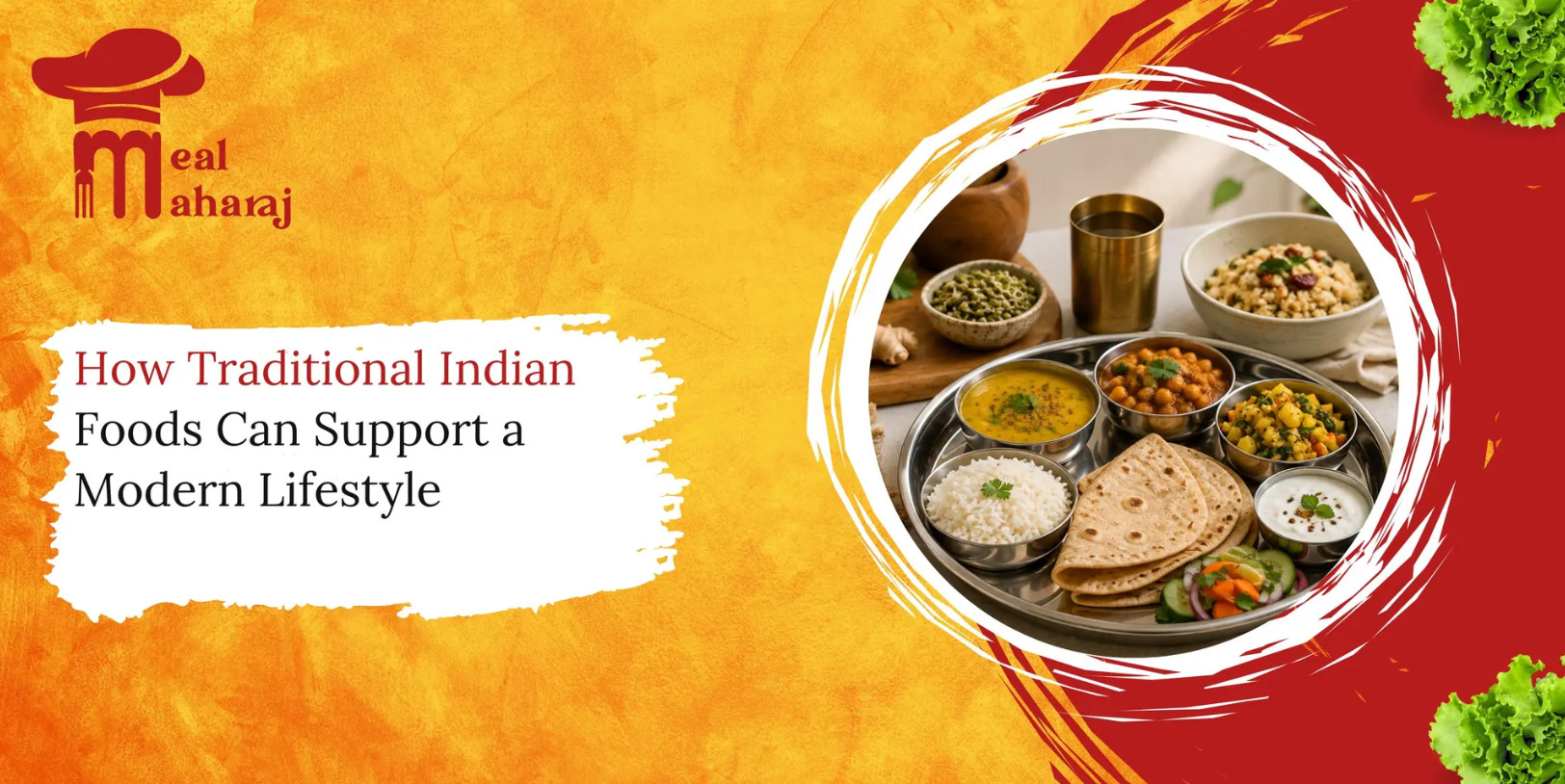
Healthy eating is normally viewed as consuming nutritious foods; however, nutrition goes beyond the consumption of the same "healthy" meal every day. No one food item will provide all the required nutrients to perform at an optimal level. It is therefore important to consume a variety of foods to ensure complete nutrition.
Fruits, vegetables, whole grains, protein sources, dairy products, nuts and seeds are some of the examples of foods that should be included in a daily meal routine to make sure that you take advantage of a variety of nutrients, including vitamins, minerals, fibre, proteins and healthy fats.
Nutrition that is considered complete implies feeding your body all the required nutrients to ensure proper development, repair, and functioning. The nutrients that should be taken into consideration are carbohydrates, proteins, good fats, vitamins, minerals, fiber, and water. As there isn't one single food that contains all the necessary nutrients in the right quantity, it is advisable to eat a variety of foods.
Each food is a combination of nutrients that will add up to contribute to your health in different ways. While spinach provides your body with iron, oranges will provide you with vitamin C. Lentils will provide protein, while whole grains contain fiber and carbohydrates. By consuming diverse types of food in your meal, you are assured of getting various nutrients that will assist in growing your body.
A variety of food is important because:
a. Meets nutrient needs daily
b. Contributes to good health
c. Contributes to good digestion
d. Strengthens your immunity
e. Makes sure you do not lack nutrients
Many people end up eating the same food every day due to convenience. This might be effective, but eating the same type of food limits the number of nutrients that get into the body.
Eating the same food all the time may:
a. Susceptibility to deficiencies in nutrients
b. Lessen the enjoyment of meals
c. Contribute to a lack of fiber
d. Affect the quality of your diet
Food variety improvement does not need any big modifications. Minor modifications to your diet will definitely enhance nutritional quality.
Some examples include:
a. Switching between seasonal vegetables every week
b. Eating different fruits each day
c. Consume rice, chapatti, millet, and oats alternatively
d. Use various types of dals and pulses
e. Consume different types of nuts and seeds
f. Eat colourful salads in meals
Eating various types of food regularly will:
a. Enhance nutritional value
b. Facilitate proper digestion
c. Provide consistent energy
d. Boost the immune system
e. Contribute to good weight management
f. Prevent deficiency of certain nutrients
Likely, eating a colourful and balanced meal will positively impact one’s health in the future.
Consuming a variety of foods is the most basic and efficient method for ensuring total nutrition. As each food cannot contain all the nutrients required, consuming varied foods like whole grains, fruits, vegetables, sources of protein, healthy fats, and dairy products will help promote better digestion, a healthy immune system, energy levels, and overall well-being. Incorporating minor variations like the consumption of seasonal food and varied food items in the diet can help you make your meals both nutritious and enjoyable.
As explained in the Balanced Diet Basics: Combining Carbs, Protein, and Healthy Fats Properly, having the right balance of nutrients is necessary for proper health. In the same way, Understanding Portion Control: How Much Food Do You Really Need? discusses that consumption of the right amount of a variety of wholesome foods can lead to better nutrition, explore Meal Maharaj. With the help of the right balance of traditional foods and meal selections, healthy eating becomes an easy process.