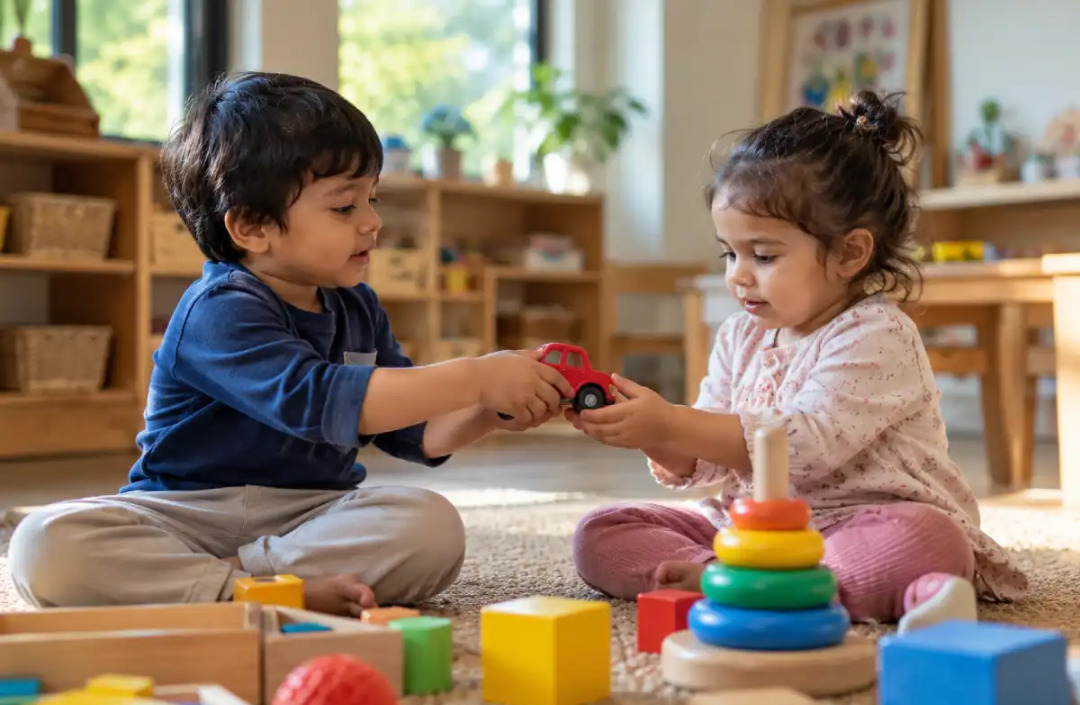
Inculcating in toddlers the skills of sharing, caring about others, and cooperation is a very essential aspect of early childhood development. The period between birth and three years is marked by children’s exploration of relationships with their families, peers, caregivers, and environment. It is the stage where the little ones are developing their emotional intelligence by trying to learn how to express their emotions, understand the emotions of others, and make their needs known. Nonetheless, the ability to share and give other people a chance to use one’s favourite things is not easy.
Some parents observe their toddlers clutching their favourite toys and crying in situations where someone is touching their possessions or playing with their toys without giving the child a chance. All such actions indicate that the toddlers’ development of patience and empathy is a gradual process.
Fortunately, the development of empathy and cooperation among toddlers can be stimulated through simple and daily activities.
Sharing involves more than giving a toy to another child. It requires children to manage their feelings, wait for their turn, communicate their needs, and gradually recognise that other people have feelings and preferences too.
1. Encourages Emotional Awareness
There are different emotions that toddlers can feel, such as happiness, excitement, frustration, disappointment, and sadness. Recognising these emotions helps toddlers know their feelings and slowly recognise the emotions of others.
If the toddler sees his or her friend crying because another child took their toy, the parent can explain to him or her why it is happening.
Simple sentences like “Your friend is sad because she wants a turn too” help teach toddlers about other people’s emotions.
2. Develops Social Skills
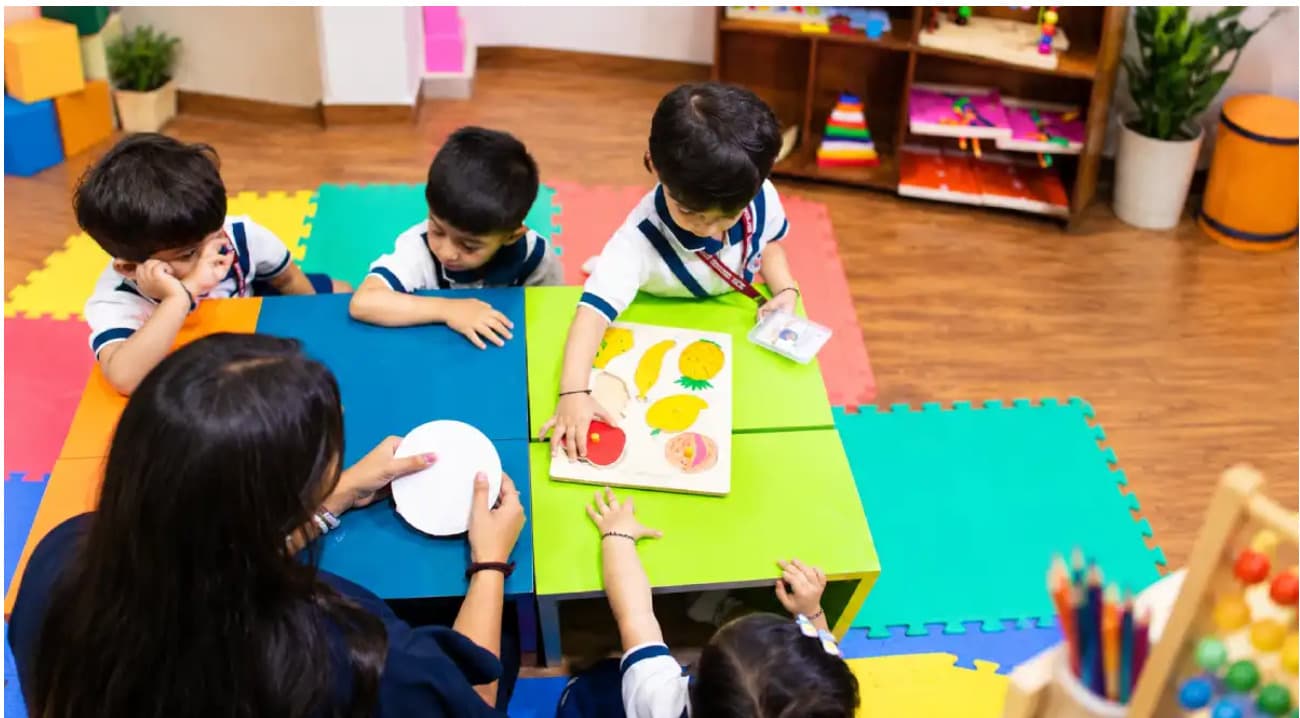
Playing with other children gives toddlers opportunities to practise communicating, listening, waiting, and resolving small disagreements.
These experiences can help them become more comfortable interacting with others as they grow. They also learn that playing together can be enjoyable when everyone has an opportunity to participate.
3. Builds Patience and Self-Control
Having to wait for one’s turn might prove difficult for a toddler who wants whatever he wants right now. But there are simple turn-taking games wherein kids get the chance to practice being patient while waiting.
With consistent practice, kids will eventually get used to waiting for their turn and dealing with the frustration involved in it.
4. Strengthens Relationships
Kindness and cooperation help children develop positive relationships with family members, friends, and caregivers.
When toddlers experience warm, supportive interactions, they have opportunities to learn trust, communication, and respectful behaviour. These early experiences provide a foundation for building relationships throughout childhood.
1. Lead by Example
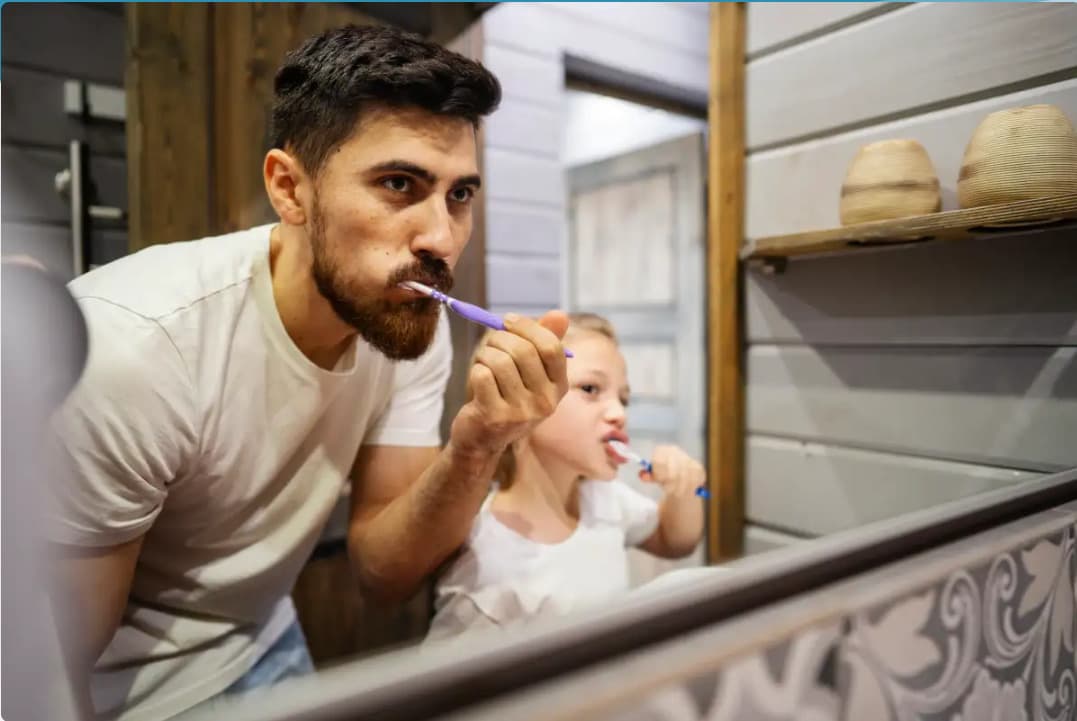
Toddlers learn a lot through observation of the adults surrounding them. If a parent practices sharing in daily life activities, then they will be able to observe how the behaviour works in real-life situations.
This can be done in many ways. For instance, you can share food with your toddler, choose books to read together, and assist someone in carrying out small tasks.
Make sure you explain what you are doing in short and easy sentences like, “I’m sharing my crayons with you” or “Let’s take turns putting the blocks in place.”
2. Introduce Turn-Taking Games
It may be much easier to begin with turn-taking rather than trying to get a toddler to stop enjoying something.
Use easy games such as throwing a ball back and forth, building a block tower together, passing the toy car back and forth, and playing with puzzle pieces. Use common terms such as “My turn” and “Your turn” to explain the sequence of action.
Ensure that the games are short and fun. If your child gets frustrated, comfort him/her and do it at a later time.
3. Encourage Sharing During Playtime
Playtime offers natural opportunities to introduce cooperation.
Create situations where two kids can engage in them together, for example, building a tower with blocks, drawing a picture with crayons, or preparing food in a toy kitchen.
Instead of just demanding that kids share, demonstrate to them how they can work as a team.
For instance, one kid may select the blocks, while another will assist in building the tower. Both kids are actively involved in the process.
4. Use Stories to Explain Kindness
Picture books and simple stories can help toddlers understand feelings and social situations.
Choose age-appropriate stories featuring characters who help others, take turns, share resources, or solve disagreements peacefully.
While reading, ask simple questions such as:
You can also use dolls or soft toys to act out everyday situations. A toy that cannot reach something or a teddy bear waiting for a turn gives children a simple way to explore kindness through pretend play.
Children learn these skills through observation, repetition, and supportive relationships. Some days will bring progress, while others may involve frustration or disagreements. Both are normal parts of learning. By responding with patience, modelling kindness, and celebrating small efforts, parents can help toddlers develop the foundations of empathy, cooperation, and respect for others. A supportive early learning environment, such as Elzee Preschool & Daycare, can also give children opportunities to practise sharing, build friendships, and learn through group activities and play.