Early childhood is characterised by experiences that seem very minor yet go on to play a significant role in shaping the growth of the child as he or she matures into an adult. Activities such as greeting the teacher, washing hands before having food, cleaning up their messes, and participating in collective activities all carry great significance when it comes to developing the child.
In early childhood education centres, the routine process plays a critical role in instilling qualities such as independence, security, self-reliance, and confidence in young children. Through the routines, children learn how to control themselves and socialise with others.
Children flourish best in well-structured settings in which they understand what is happening around them; as such, predictability gives them a great sense of stability and comfort. Routines during preschool life enable children to learn self-control, responsibility, concentration, and listening habits. Furthermore, routines allow children to learn time management naturally by repeating certain actions over a period of time. By becoming familiar with certain routines, children become confident about doing things on their own and adapt better to changes within a particular situation.
Morning Routines Build Emotional Security
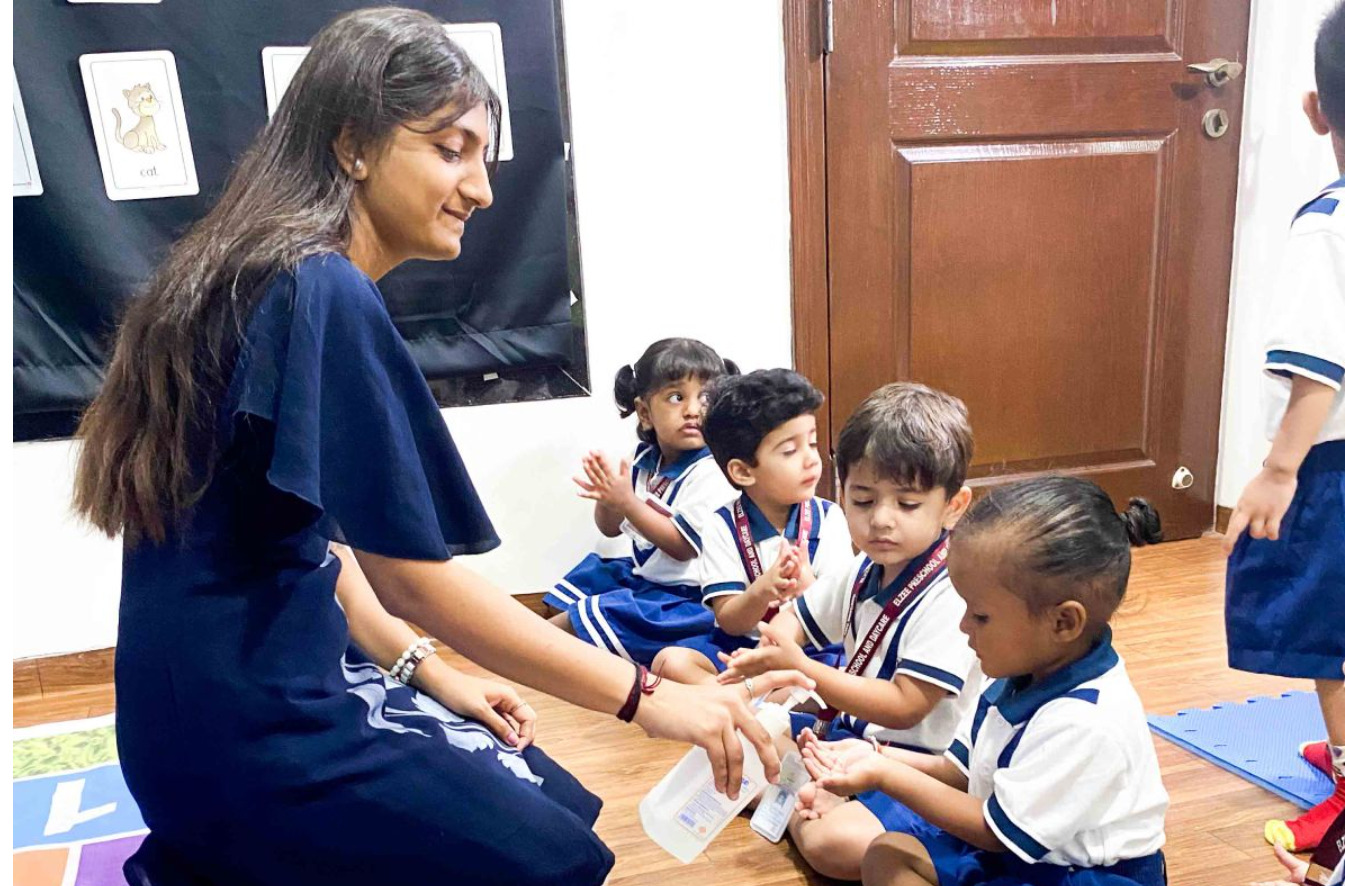
The routine at the beginning of the day usually involves greetings, tidying up items, and participating in classroom activities. This routine is critical for fostering the stability of emotions and developing social skills in little ones. Moreover, through the morning routine, children learn how to be responsible and independent. All these aspects ensure that children feel comfortable in their new environment and become eager to learn.
Social Skills Grow Through Daily Interaction
Daily procedures at preschool promote communication, interaction, and socialisation among the children. Some examples of daily activities include having snacks together, playing in groups, listening to stories, and discussion sessions within the classroom. Through the socialising process on a day-to-day basis, children can acquire essential social skills, including teamwork, sharing, patience, communication, empathy, consideration of other people, and many more.
Building Confidence Through Repetition
Children develop self-confidence by accomplishing tasks repeatedly each day. Repetition enables children to have the feeling that they can do something better and gives them independence and security. Simple activities like answering questions in circle time, doing up their shoes alone, and participating in class work allow the children to feel successful, which builds self-confidence. After repeating these tasks over and over again, the child is encouraged to do other new things, participate actively, solve small problems alone, and express themselves confidently.
The teacher is very instrumental in ensuring that the ordinary day-to-day preschool experiences turn into learning experiences for the kids by encouraging, being consistent, and offering positive reinforcement. In contrast to just concentrating on academic activities, contemporary preschool education integrates the idea of holistic development of the kid by ensuring that playing, emotional, and social support, independence, and practical life skills form part of the learning activities in preschool.
It is likely that the behaviour children acquire while at preschool age stays with them until they are adults. Personal attributes like being responsible, communicative, independent, patient, and self-controlled act as the cornerstone to future achievements in school and beyond. By creating a nurturing preschool experience for children, we allow them to acquire crucial lessons in life. These small lessons will be the building blocks for future success.
Parents can also explore more about how preschool routines support child development through developing independence skills in young learners and understanding the importance of building independence skills early through Elzee preschool and day care. Together, these everyday learning experiences create a strong foundation for a child’s future.