In the digital age, social media and online services have become integral parts of our lives, enabling us to connect, communicate, and transact with unprecedented ease. However, this convenience comes at a price – the erosion of privacy. As we enthusiastically share our thoughts, photos, and personal information, we often overlook the implications of this data exchange. This article explores the nuances of privacy in social media and online services, shedding light on the challenges and potential solutions.
The Privacy Paradox
Social media platforms thrive on user-generated content, transforming us into willing content creators. However, this content often includes our most intimate thoughts, locations, relationships, and preferences. The paradox lies in the fact that while we willingly share this information, we also expect a level of privacy and data security.
Data Collection and Profiling
Social media companies are renowned for their data collection prowess. They gather a treasure trove of information, from our browsing history and location to our likes and dislikes. This data isn't merely stored; it's used to create detailed profiles of users. Advertisers and marketers then use these profiles to tailor ads, often blurring the line between targeted advertising and invasive surveillance.
Privacy Settings
To address these concerns, social media platforms offer privacy settings. These controls allow users to customize who can see their posts, who can send them friend requests, and more. However, the complexity of these settings often leads to misunderstandings. Users may inadvertently expose more than they intended, leading to privacy breaches.
Data Breaches and Hacks
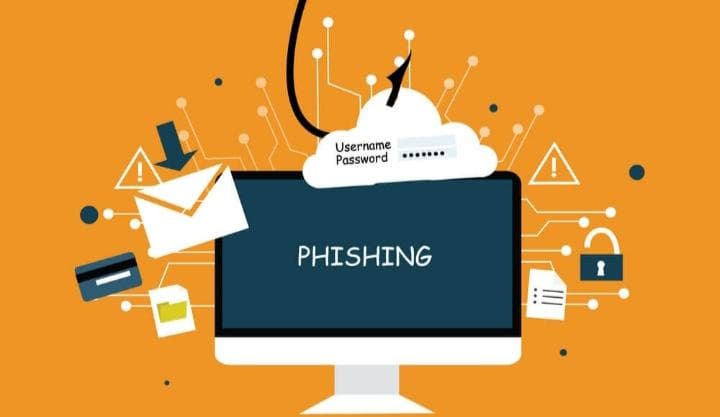
Privacy in social media and online services is further undermined by the growing number of data breaches and cyberattacks. Hackers target these platforms to steal user data, which can then be sold on the dark web or used for identity theft. These breaches reveal the vulnerability of even the most popular platforms.
Protecting Your Privacy
While the challenges are evident, there are steps users can take to safeguard their privacy online:
Review Privacy Settings: Regularly check and update your privacy settings to ensure they align with your preferences.
Limit Personal Information: Be mindful of the information you share. Avoid oversharing and revealing sensitive personal details.
Use Strong Passwords: Employ strong, unique passwords for your accounts, and enable two-factor authentication whenever possible.
Educate Yourself: Stay informed about the latest privacy policies and practices of the platforms you use.
Consider Privacy-Centric Alternatives: Explore platforms and tools designed with privacy as a core principle, such as encrypted messaging apps.
Conclusion
Privacy in social media and online services is a delicate balancing act. While these platforms offer incredible opportunities for connection and communication, they also present significant privacy challenges. It's essential for users to be vigilant, informed, and proactive in protecting their personal information. Likewise, it's crucial for companies to continue developing robust data protection measures and policies to foster trust in the digital realm. In this evolving landscape, striking the right balance between convenience and privacy remains an ongoing challenge and a shared responsibility.