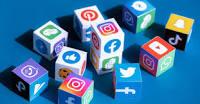
Social media
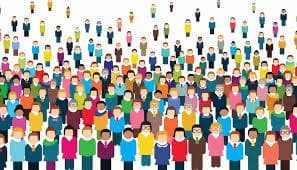
Social media are interactive digital channels that facilitate the creation and sharing of information, ideas, interests, and other forms of expression through virtual communities and networks.
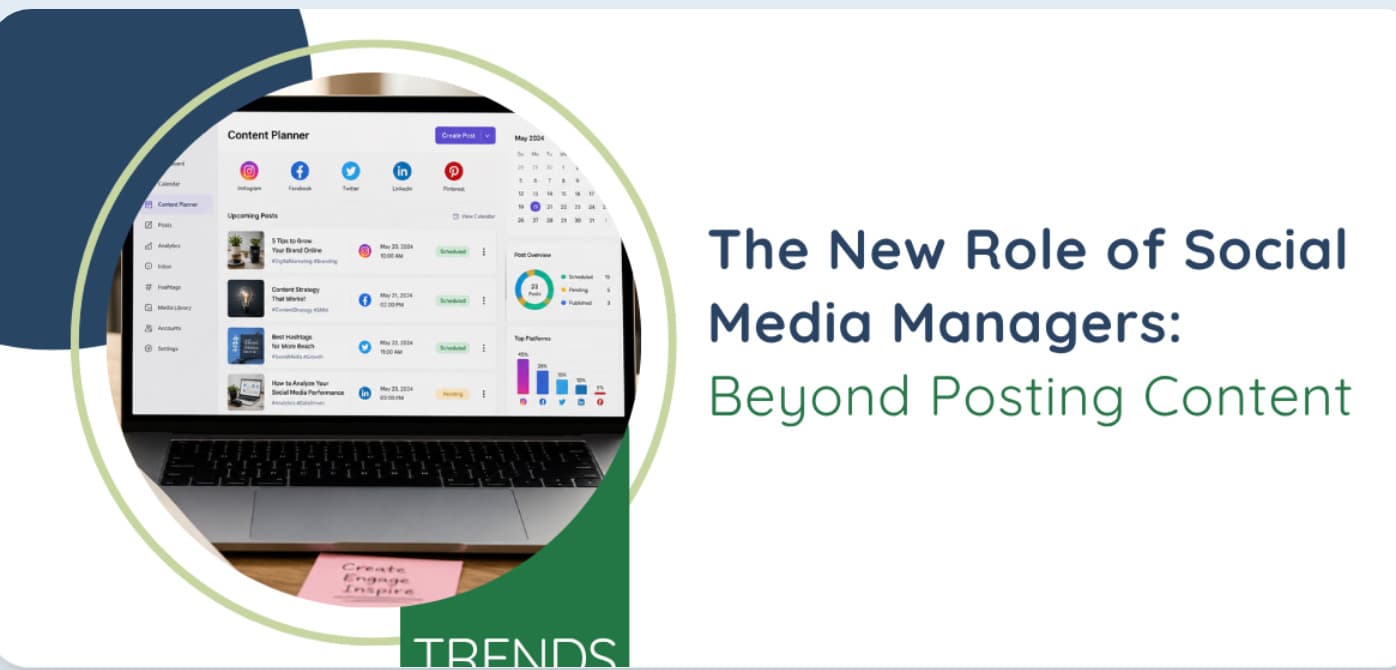
Users usually access social media services through web-based apps on desktops or download services that offer social media functionality to their mobile devices (e.g., smartphones and tablets). As users engage with these electronic services, they create highly interactive platforms in which individuals, communities, and organizations can share, co-create, discuss, participate, and modify user-generated or self-curated content posted online. Additionally, social media are used to document memories, learn about and explore things, advertise oneself, form friendships, and the growth of ideas by creating blogs, podcasts, videos, and gaming sites. This changing relationship between humans and technology is the focus of the emerging field of technological self-studies. Some of the most popular social media websites, with more than 100 million registered users, include Facebook (and its associated Facebook Messenger), TikTok, WeChat, Instagram, QZone, Weibo, Twitter, Tumblr, Baidu Tieba, and LinkedIn. Depending on interpretation, other popular platforms that are sometimes referred to as social media services include YouTube, QQ, Quora, Telegram, WhatsApp, Signal, LINE, Snapchat, Pinterest, Viber, Reddit, Discord, VK, Microsoft Teams, and more. Wikis are examples of collaborative content creation.
Social media outlets differ from traditional media (e.g., print magazines and newspapers, TV, and radio broadcasting), including quality, reach, frequency, usability, relevancy, and permanence. Additionally, social media outlets operate in a dialogic transmission system, i.e., many sources to many receivers, while traditional media outlets operate under a monologic transmission model (i.e., one source to many receivers). For instance, a newspaper is delivered to many subscribers and a radio station broadcasts the same programs to an entire city.
Observers have noted a wide range of positive and negative impacts when it comes to the use of social media. Social media can help to improve an individual's sense of connectedness with natural or online communities and can be an effective communication (or marketing) tool for corporations, entrepreneurs, non-profit organizations, advocacy groups, political parties, and governments. Observers have also seen that there has been a rise in social movements using social media as a tool for communicating and organizing in times of political unrest.