Each child is different and learns differently too. Whereas some kids pick up letters and numbers very fast, others might require more time to hone their cognitive, social, or physical skills. This is totally normal during early childhood growth and not something to worry about.
The good thing about a good preschool is that it does not treat learning like a race. Rather than comparing children and pushing them, teachers work with what the child is good at and help nurture him or her accordingly through learning activities. Such a method will make sure the child develops in his own sweet time without being stressed out or pressured.
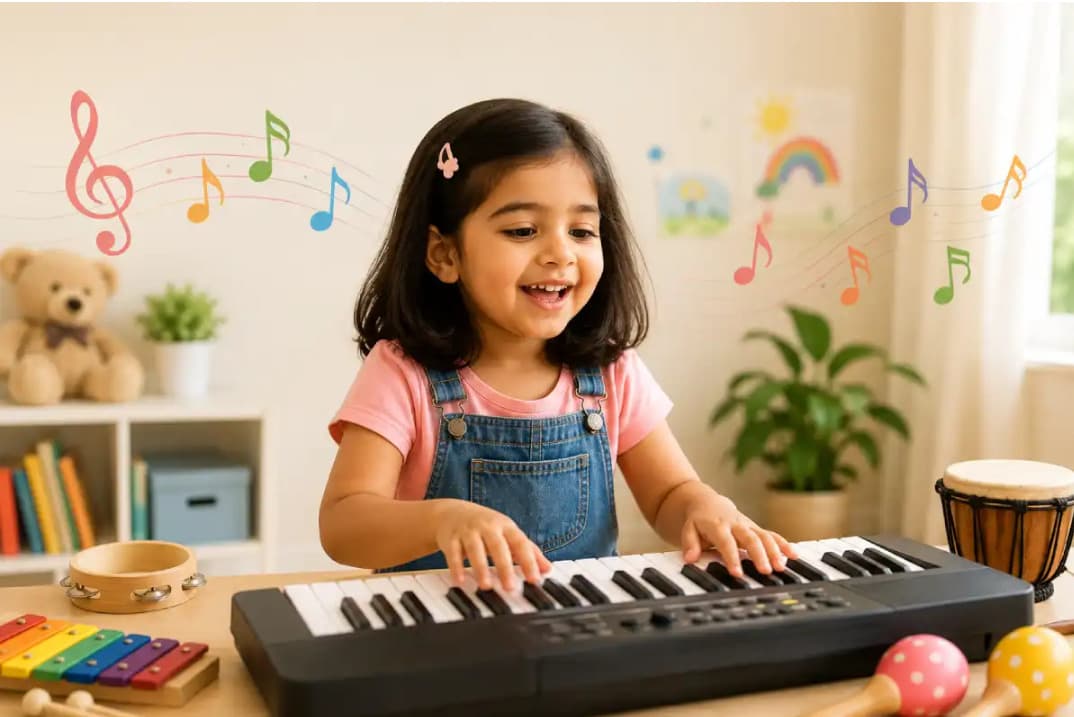
Children do not grow up identically, and this is perfectly normal during early childhood. Some children like solving puzzles while others may love stories, music, art or venturing out into nature. Children hit their developmental stages according to their individual personalities, temperaments, interests, home setting, experiences, social-emotional readiness and physical development. Preschool teachers need to acknowledge individual differences to ensure they provide a supportive educational environment and facilitate their personal growth and development without placing undue pressure on them.
Understanding Developmental Milestones
Milestones are useful in understanding how much the child is developing as a whole; however, it should not be seen as some deadline that must be achieved by all children. While some kids may develop language skills early on, others may do better with fine motor skills or social skills and even with creative work. Preschool teachers keep track of how well each child is doing in all the different areas such as language and communication, cognitive skills, physical coordination, emotional regulation, social skills, and creativity. Instead of comparing children or requiring them to do the same thing, good preschools recognise the progress that each one makes and give him/her encouragement.
Teachers Personalise Learning Experiences
Preschool educators know that all children have distinct strengths, interests, and preferred ways of learning. Rather than adopting a one-size-fits-all mentality, they develop individualised learning opportunities for each child based on their developmental level and needs. Through watching what children like, allowing them various ways of accomplishing tasks, encouraging them gently, adjusting the challenge to meet their level of ability, and appreciating their hard work and not only the results, teachers ensure that all children are appreciated and supported.
Perhaps one of the best things that any preschool can give to children is an opportunity to learn in an environment where they are allowed to develop themselves without being judged or compared to other children. When children feel accepted, appreciated and respected in what they do, they get more confidence in exploring new things and getting involved in various activities and asking different questions. Confidence arises naturally when children learn on their own, feel proud of each of their small successes, take age-related risks, solve simple problems and get positive reinforcement from their teachers.
Social and Emotional Development Takes Time
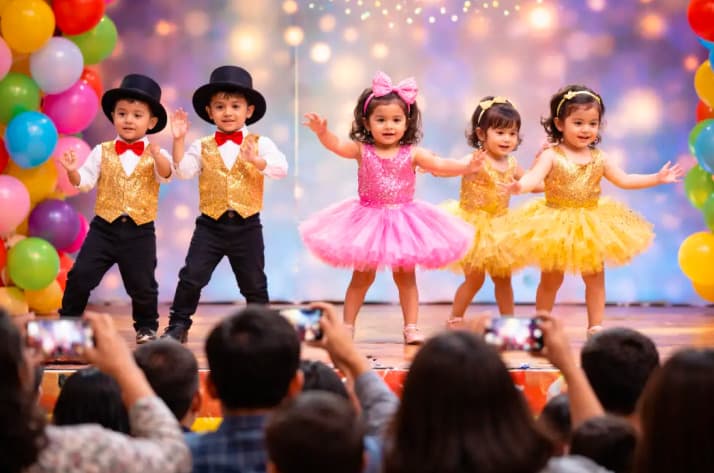
Childhood education in preschool involves much more than academics, because children not only gain basic knowledge but acquire crucial emotional and social skills in the process of their everyday interactions. Children start developing such abilities as forming friendships, cooperation, expression of feelings in a constructive way, patience, and conflict resolution through interaction with educators and peers. Such life skills differ greatly from one child to another and are equally important to learning and understanding basic letters and numbers.
Parents Play an Important Role
When parents and teachers cooperate and complement each other, children will develop in ways that are right for them. Parents should stop trying to compare their children to their brothers or sisters or other children in school and simply concentrate on acknowledging and recognising their individual successes and milestones, no matter how insignificant they may be. Such actions as reading to the child daily, complimenting the process more than the results, promoting the spirit of curiosity and discovery, providing chances to explore independently, and keeping a constant schedule at home can have a positive effect on the child’s self-confidence and attitude toward learning.
Every child has a unique path of learning to traverse, and this should be appreciated rather than compared to others. The preschools make sure that each child feels special, respected and encouraged enough to grow into an independent person with self-confidence and passion for learning new things throughout his or her life. It does not matter how fast one child learns when compared to another but rather how well each child feels supported and encouraged.
Parents who would like to find out more about how children learn through everyday classroom experience at Elzee Preschool and Daycare may read “A Day in the Life at Elzee: Why Your Child Cries Between Drop-off and Pick-up.“ This article provides interesting insights on how structured daily routines contribute to the healthy development of children at the school, where they have an opportunity to learn and grow at their own pace.