Parents often have a meaningful influence on their child’s mental and emotional well-being. Children tend to observe and absorb how their parents communicate, respond to stress, express values, and navigate everyday life. Because of this, even small, consistent efforts at home can shape a child’s sense of safety and identity.
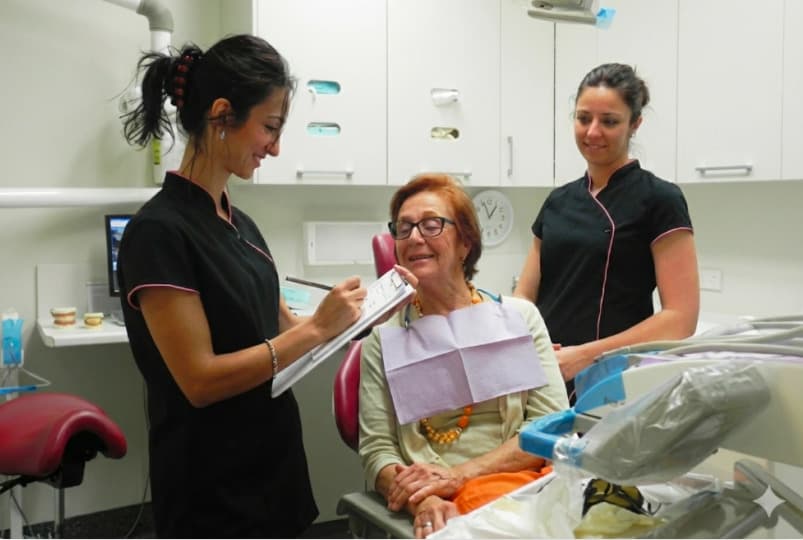
Spending quality time with your child can be a helpful starting point. This does not always require structured activities – simply being present and attentive can strengthen the connection. When children feel heard, they are more likely to share their thoughts and emotions openly. Allowing them to express themselves in their own way, without comparison or judgement, can help support their confidence and emotional development.
Children often learn through observation, not just instruction, they may pick up behavioural patterns, copying styles, and even hobbies from their parents. Encouraging children to explore physical activities- such as sports or outdoor play- can support both their physical health and emotional regulation, as movement is known to reduce stress and improve mood.
Shared activities like board games, creative arts (drawing, bending, dancing), or even simple routine walking together can create opportunities for bonding. These shared experiences can help children feel more connected and secure in their relationships.
Psychologist John Bowlby, through his Attachment Theory, highlighted that early relationships with caregivers can influence a child’s emotional development. Building consistent and responsive interactions can therefore provide a sense of stability and trust.
As children grow older, their need for independence increases, but so does their need to feel respected and included. Involving them in discussions and family decisions- where appropriate – can help them feel valued and understood. This may also encourage them to develop decision-making and communication skills.
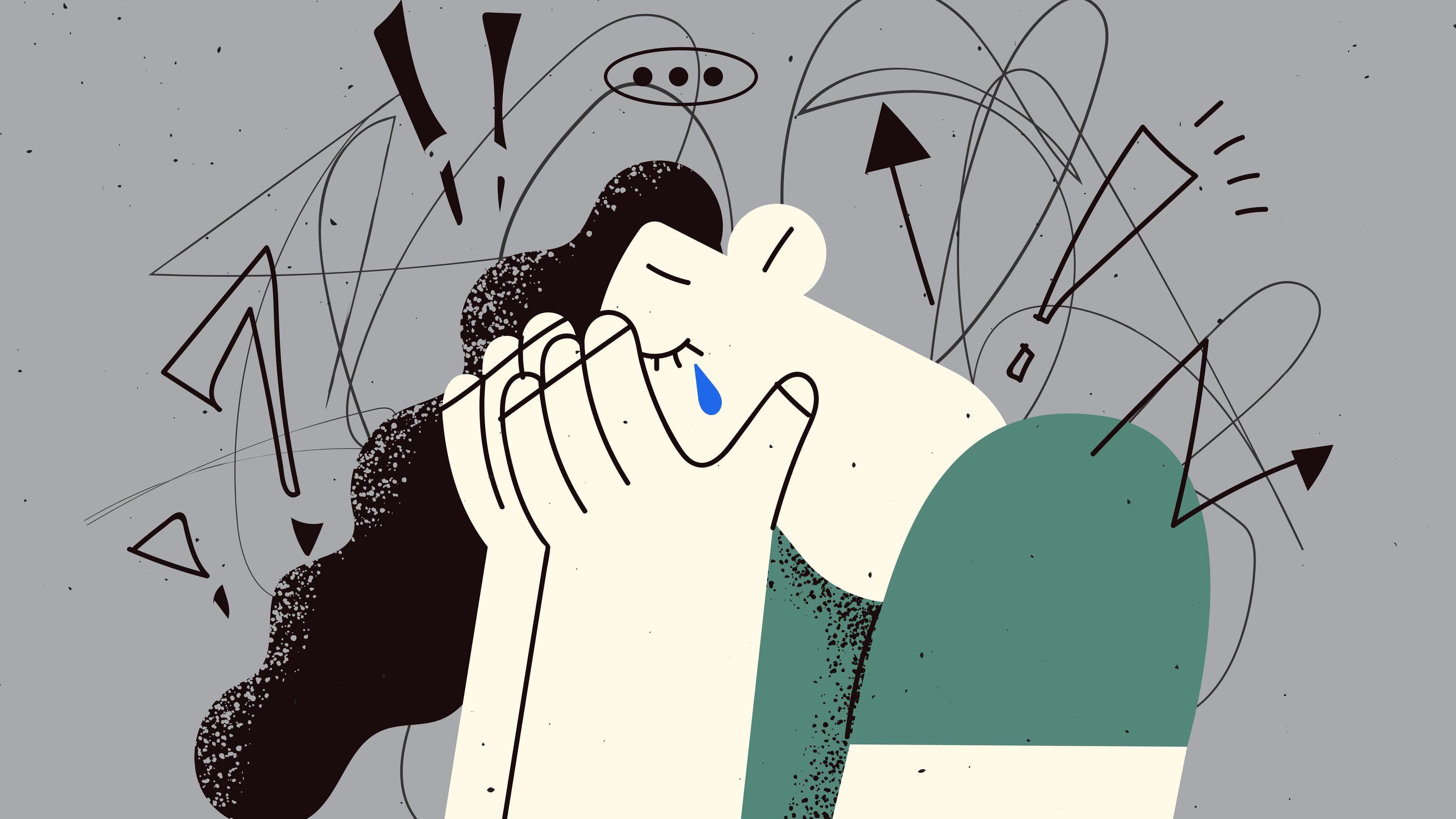
Parents may sometimes notice mood swings, behavioural changes, or periods of withdrawal in their children as they grow. These shifts can often be a natural part of development and changes reflecting social shifts in social dynamics with friends and families, growth, physical and hormonal changes.
However, if these changes feel intense, persistent, or noticeably different from the child’s usual behaviour, it may be important to pay closer attention. In such cases seeking professional guidance can help ensure that the child receives the support they may need, rather than overlooking potential concerns. Early intervention is often more effective than waiting for difficulties to escalate.
It is important for parents to approach this sensitively by having open non judgemental conversations with their child. Rather than forcing the idea of therapy parents should encourage a child to share their feelings and be involved in the discussion. If the child is open to it then the parents and children can work together to research and choose a suitable mental health professional.
Maintaining the child’s sense of privacy is equally important. Parents should generally allow the child to attend sessions independently unless the therapist specifically invites them to participate. This helps build trust and creates a safe space for the child to express themselves freely.
Children naturally go through emotional and behavioural changes as they grow. During these phases, they may not always know how to express what they are experiencing. Offering reassurance through your presence and words can help them feel supported and less alone. Let’s look at some of the things you can do as a Parent:
Being aware of your child’s emotional well-being does not mean having all the answers- it often means staying attentive and responsive. Over time, parents may learn to differentiate between behaviours that are a part of normal development and those that may need additional support.
Mental health is an important part of the overall well-being of a child. Reaching out to a professional when concerns arise can be a proactive step, rather than a last resort. If you feel you or your child could benefit from additional guidance, consider connecting with Imperfect Psychotherapy, where supportive sessions are available to help families navigate these experiences together.
Above all, consistent care, attention and connection can make a meaningful difference in a child’s emotional journey. We are here with you and for you.
By Sheeba Prakash and Urveez Kakalia.
Reference:
Further Reading:
Shanley, D. C., Reid, G. J., & Evans, B. (2008). How parents seek help for children with mental health problems. Administration and Policy in Mental Health and Mental Health Services Research, 35(3), 135-146.
Soenens, B., Deci, E. L., & Vansteenkiste, M. (2017). How parents contribute to children’s psychological health: The critical role of psychological need support. In Development of self-determination through the life-course (pp. 171-187). Dordrecht: Springer Netherlands.
Hoagwood, K. E., Cavaleri, M. A., Serene Olin, S., Burns, B. J., Slaton, E., Gruttadaro, D., & Hughes, R. (2010). Family support in children’s mental health: A review and synthesis. Clinical child and family psychology review, 13(1), 1-45.