Biometric systems have a powerful potential to provide security for a
variety of applications, systems are nowadays being introduced in
many applications and have already been deployed to protect personal
computers, Banking machines, credit cards, electronic transactions,
airports, high security institutions like nuclear facilities, Military Bases
and other applications like borders control, access control, sensitive
data protection and on-line tracking systems. While biometrics may
improve security in different environments and serve many purposes,
biometric systems, like any other security system, have vulnerabilities
and are susceptible to threats.
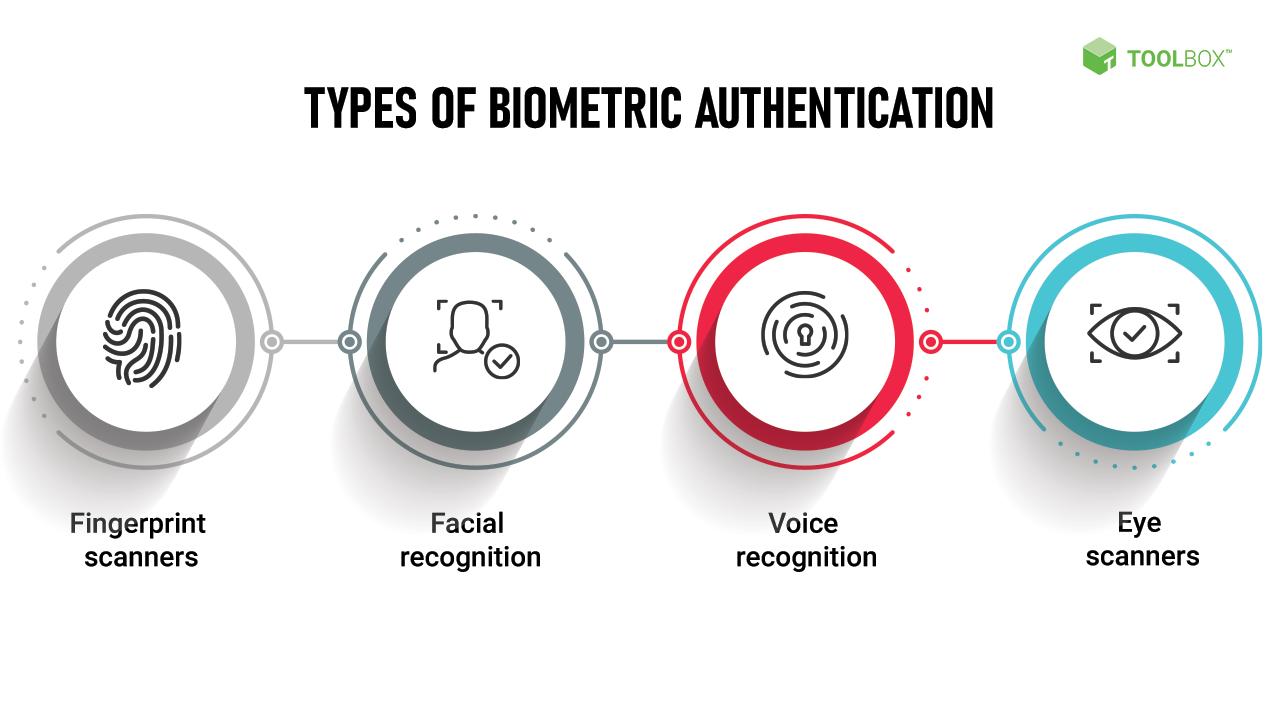
Biometric Authentication :-Biometric authentication is a security process that involves using unique physical and behavioral characteristics of an individual to verify their identity. It is a method of confirming a person's claimed identity through the use of biological traits. These traits can include fingerprints, facial features, iris patterns, voice patterns, hand geometry, and even behavioral patterns like typing rhythm or gait.
Biometric Authentication Advantages :-Biometric authentication offers several advantages over traditional authentication methods like passwords or PINs. Here are some key advantages :
- Enhanced Security: Biometric authentication relies on unique biological traits such as fingerprints, iris patterns, or facial features.
- Non-Transferable: Unlike passwords or PINs, biometric traits are inherently tied to an individual and cannot be easily shared or transferred.
- Convenience: Biometric authentication eliminates the need to remember complex passwords or carry around physical tokens like smart cards. Users can authenticate themselves quickly and easily by presenting their biometric traits, improving the user experience.
- Reduced Fraud: Biometric traits are unique to each individual, making it extremely challenging for attackers to impersonate someone else. This reduces the risk of identity theft and fraudulent activities.
- User-Friendly: Biometric authentication is intuitive and user-friendly. Users don't need to remember multiple passwords or worry about forgetting them.
- Hard to Replicate: Modern biometric systems are designed to detect spoofing attempts, such as using photographs or fake fingerprints. Advanced technologies, such as liveness detection, make it difficult for attackers to bypass biometric security measures.
- Multi-Factor Authentication (MFA): Biometric authentication can be used as a part of multi-factor authentication, where it complements other factors like something the user knows (password) and something the user has (smartphone or token).
Biometric Authentication Vulnerabilities:-While biometric authentication offers several advantages, it's important to be aware of the potential vulnerabilities and risks associated with this technology. Some of the vulnerabilities of biometric authentication include:
- Spoofing: Biometric systems can be vulnerable to spoofing attacks, where an attacker tries to replicate the biometric trait using artificial means. For example, an attacker might use a high-resolution photograph, a 3D model, or a synthetic voice recording to fool the system.
- Database Breaches: Biometric data stored in databases can be targeted by cybercriminals. If the biometric data is compromised, it cannot be changed like a password, and individuals' privacy is at risk.
- Template Theft: While modern systems store templates rather than raw biometric data, these templates can still be stolen and misused. An attacker could potentially use a stolen template to impersonate an individual.
- Liveness Detection Bypass: Liveness detection mechanisms are designed to prevent spoofing by ensuring that the biometric sample comes from a live individual. However, attackers may find ways to bypass or defeat these mechanisms.
- Device and Sensor Vulnerabilities: The hardware used to capture biometric data, such as fingerprint scanners or cameras, can have vulnerabilities that attackers could exploit.
- Unintentional Leaks: Biometric data might unintentionally leak due to poor security practices, such as unencrypted data transmission or inadequate storage protection.
- Privacy Concerns: Biometric data is highly personal and can reveal more than just identity. In some cases, the use of biometrics might infringe upon individuals' privacy rights.
Technique to Overcome Vulnerabilities:-To overcome the vulnerabilities associated with biometric authentication, organizations can implement a combination of techniques and best practices. Here are some strategies to enhance the security of biometric authentication systems
- Multi-Factor Authentication (MFA): Implementing MFA by combining biometric authentication with other factors like passwords, tokens, or one-time codes adds an extra layer of security. This makes it significantly more difficult for attackers to compromise an account even if they manage to bypass the biometric measure.
- Liveness Detection: Employ robust liveness detection mechanisms to ensure that the biometric sample comes from a live individual, rather than a static replica. This can prevent many types of spoofing attacks.
- Anti-Spoofing Techniques: Utilize advanced anti-spoofing techniques that can detect various spoofing attempts, such as using photographs, masks, or voice recordings. These techniques might involve analyzing depth information, thermal imaging, or behavior analysis.
- Biometric Fusion: Combine multiple biometric traits for authentication. This is known as multi-modal biometric authentication. For example, a system could require both a fingerprint scan and a facial recognition scan for access.
- Template Protection: Implement strong encryption and hashing methods to protect biometric templates stored in databases. This prevents direct exposure of biometric data in case of a breach.
- Data Minimization: Collect and store only the necessary biometric data. Avoid storing raw biometric data and instead work with template representations to reduce the impact of a potential breach.
- Regular Updates: Keep the biometric system's software and firmware up to date. Manufacturers often release updates to address vulnerabilities and improve security.
- Continuous Monitoring: Implement continuous monitoring of biometric system performance and usage. Detect and respond to anomalies that might indicate unauthorized access attempts.
- User Education: Educate users about the importance of biometric security, potential risks, and best practices. Teach them how to use the technology correctly and securely.
- Secure Hardware: Ensure that the hardware used for biometric data capture is tamper-resistant and follows security best practices. This reduces the risk of hardware-level attacks.
- Regulatory Compliance: Stay informed about relevant data protection regulations and privacy laws that pertain to biometric data. Ensure compliance to avoid legal issues.
Conclusion:-Biometrics offers a valuable approach to extending current security technologies thatmake it far harder for fraud to take place by preventing ready impersonation of the authorized user. By implementing these techniques and maintaining a holistic approach to biometric security, organizations can significantly reduce the vulnerabilities associated with biometric authentication and provide a more robust and secure authentication experience for users.