Low Sodium Diet
A main source of sodium is table salt. The average Indian eats 2 or more teaspoon of salt each day. This is about 10 times as much as the body needs. In fact, your body only 1/4 teaspoon of salt every day. Sodium is found naturally in foods, but a lot of it is added during processing and preparation. Many foods that do not taste salty may still be high in Sodium. Large amounts of sodium can be hidden in canned, processed and convenience foods. And sodium can be found in many foods that are served at fast food restaurants.
Sodium controls fluid balance in our bodies and maintains blood volume and blood pressure. Eating too much sodium may raise blood pressure and cause fluid retention, which could lead to swelling of the legs and feet or other health issues.
When limiting sodium in your diet, a common target is to eat less than 2000 milligrams of sodium per day.
General Guidelines for Cutting Down on Salt
Eliminate salty foods from your diet and reduce the amount of salt used in cooking. Sea Salt is no better than regular salt. Choose low sodium foods.
Many salt-free or reduced salt products are available. When reading food labels, low sodium is defined as 140 mg of sodium per serving. Salt substitutes are sometimes made from potassium, so read the label. If you are on a low potassium diet, then check with your doctor before using those salt substitutes.
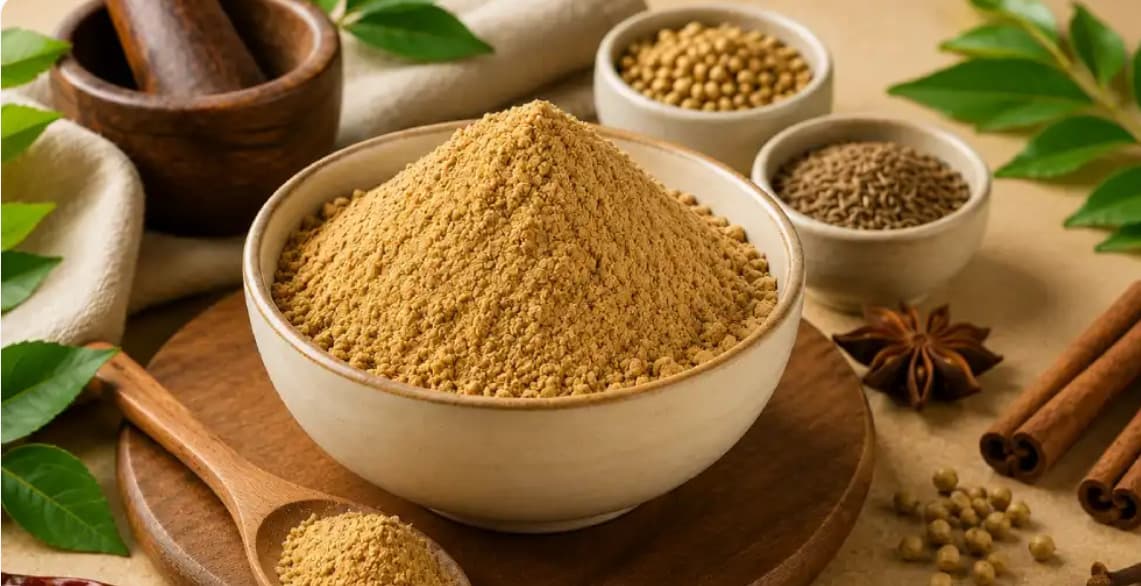
Be creative and season your foods with spices, herbs, lemon, garlic, ginger, vinegar, and pepper. Remove the salt shaker from the table.
Read ingredients labels to identify foods high in Sodium. Items with 400 mg or more of sodium are in high in Sodium. High sodium food additives include salt, such as monosodium glumate.
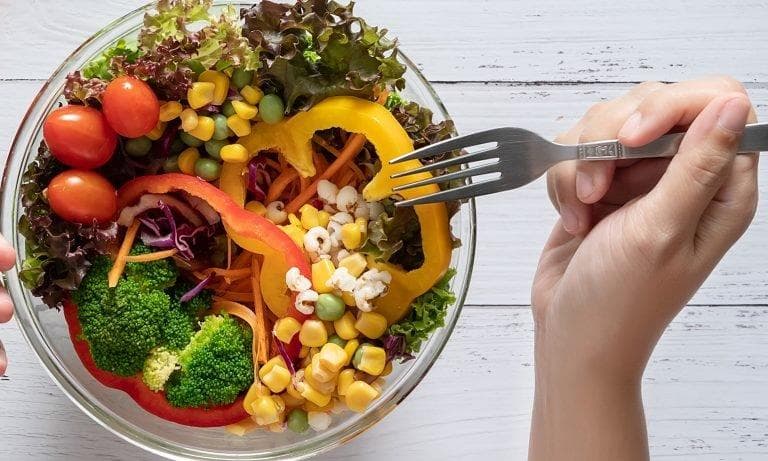
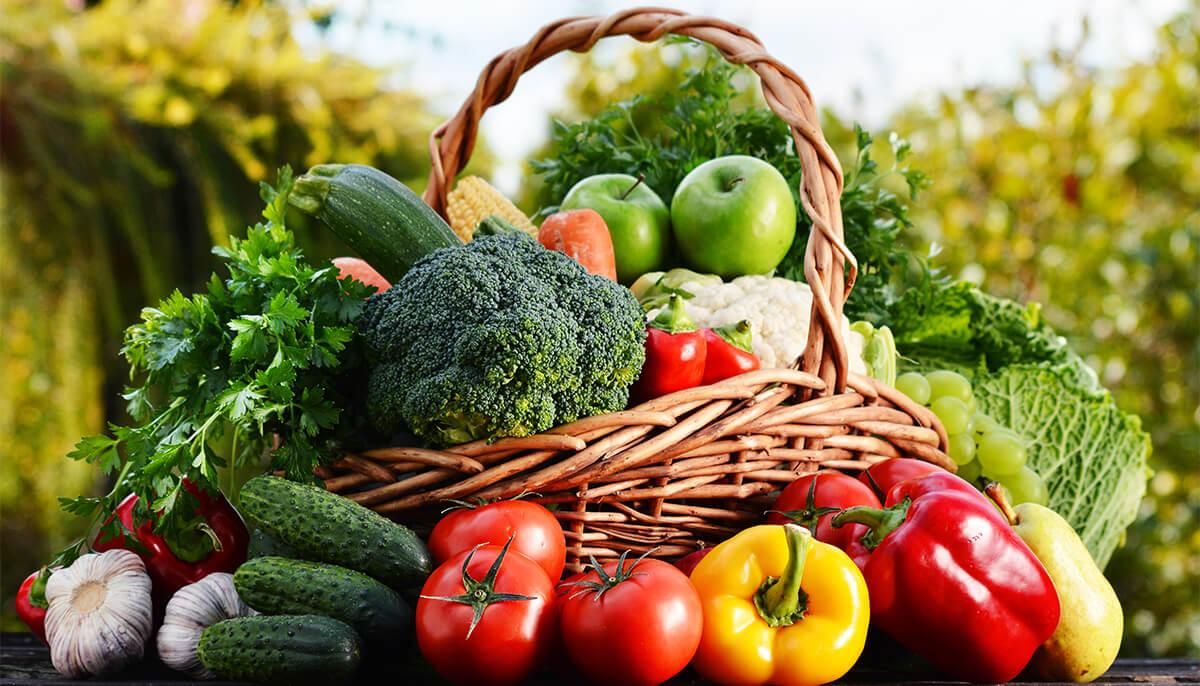
Eat more home cooked foods. Foods cooked from scratch are naturally lower in sodium.
Meats, nuts, eggs, etc
Frozen breaded meats and dinners, such as burritos and pizzas this are high sodium foods.